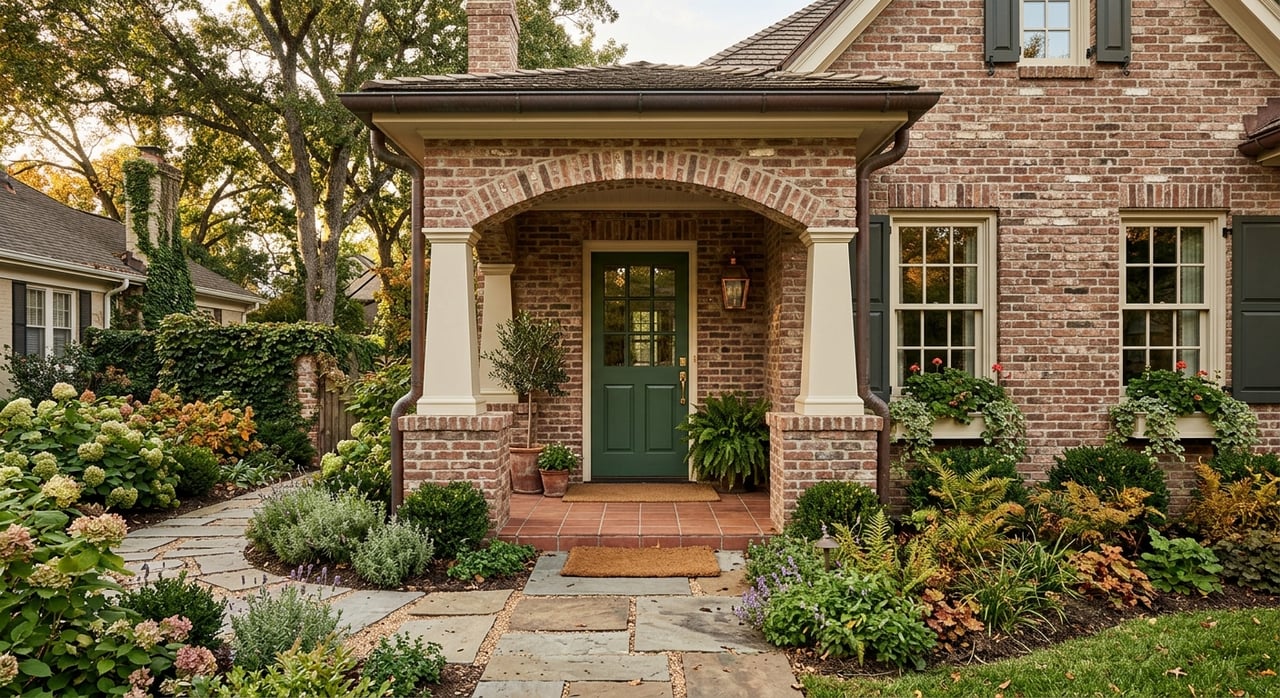
If you have ever driven through Midtown Memphis and found yourself slowing down to admire a deep front porch, mature shade trees, or a steeply pitched roofline, you already understand the pull of its historic homes. Buying or selling one of these properties is about more than square footage. It is about architecture, setting, and the details that give a home real personality. In this closer look, you will learn what defines Midtown’s historic housing stock, why buyers are drawn to it, and what to keep in mind before you make a move. Let’s dive in.
Table of Contents
- 1. What Makes Midtown Homes Distinct
- 2. Which Styles You’ll See Most
- 3. Why Buyers Love Midtown Historic Homes
- 4. Midtown Historic Districts to Know
- 5. What Buyers Should Check Before Making an Offer
- 6. Maintenance Issues Common in Older Midtown Homes
- 7. What Sellers Should Know Before Listing
- 8. A Note for Investors Considering Larger Rehabs
- 9. Why Local Guidance Matters in Midtown
- 10. FAQs
What Makes Midtown Homes Distinct
Midtown Memphis stands out for its early-twentieth-century residential character. The area is known for mature trees, flowering shrubs, wide shaded streets, and early neighborhood development patterns that happened in stages rather than all at once.
That layered growth helps explain why Midtown does not feel uniform. Instead of one dominant house type, you will see a mix of architectural styles and home sizes that reflect different periods of development.
Which Styles You’ll See Most
Midtown’s historic homes include a broad range of character-rich styles. Across the area, you are likely to find Craftsman bungalows, modest cottages, Tudor Revival homes, and other period revival houses.
In Central Gardens, one of Midtown’s best-known historic districts, the dominant styles include Four Square, Bungalow, Queen Anne, Greek Revival, and Colonial Revival. The district spans roughly 83 blocks and 511 acres, with about 1,540 structures, which gives you a sense of both its scale and architectural variety.
Bungalows and Craftsman Homes
Bungalows were especially common in Memphis during the 1920s. These homes often have low, broad roof forms, front porches, and a more handcrafted, human-scaled feel than many newer houses.
For many buyers, that is part of the appeal. A bungalow can feel welcoming right from the curb, and the layout often reflects a practical, efficient use of space.
Tudor Revival and English Cottage Forms
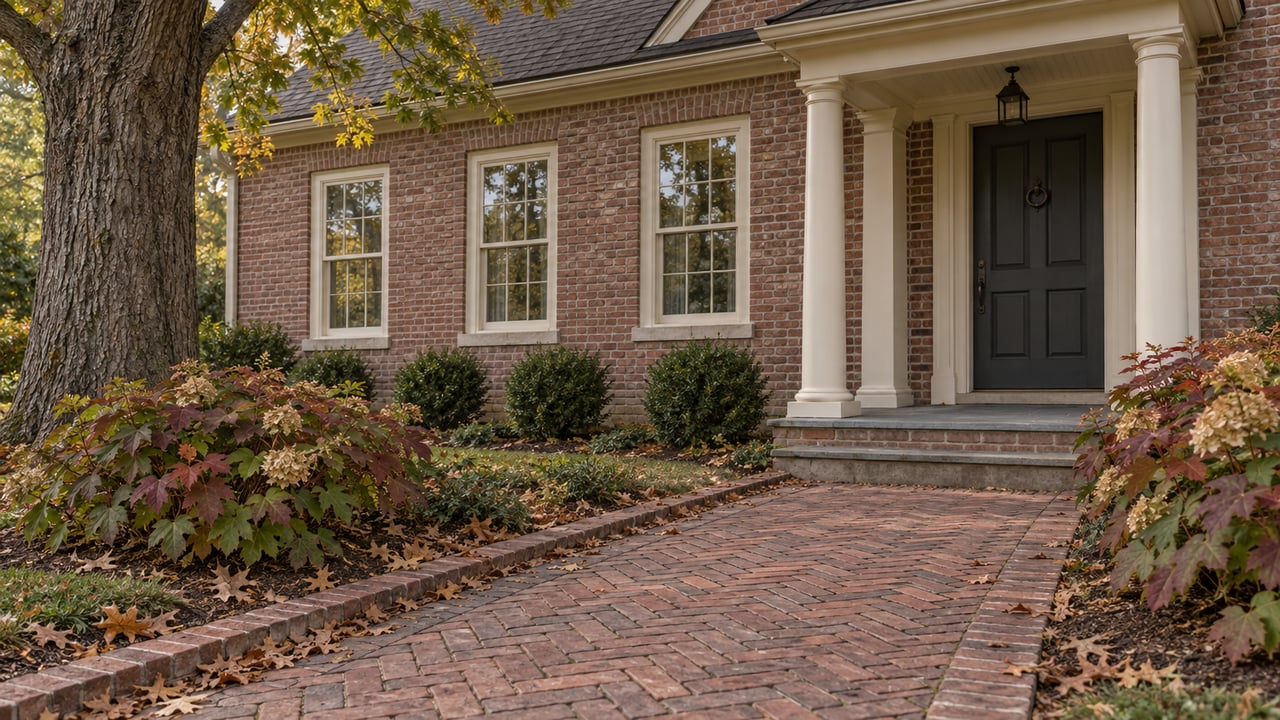
Toward the end of the 1920s, Tudor Revival and English cottage forms became more popular in Memphis. These homes often feature steeper rooflines and distinctive exterior details that make them easy to spot.
If you are drawn to architecture with a little storybook charm, this style often delivers that visual interest. It also adds to Midtown’s sense of variety from one block to the next.
Period Revival and Traditional Homes
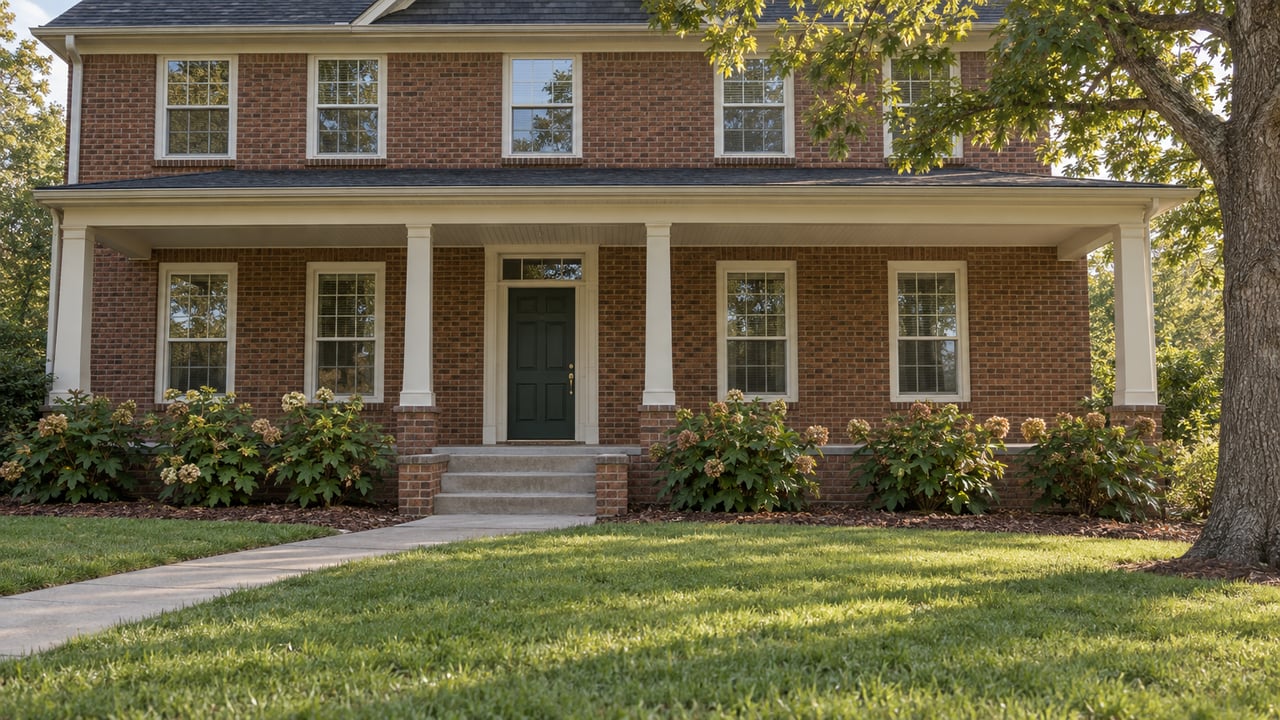
Midtown also includes Four Square, Colonial Revival, Greek Revival, and Queen Anne influences, especially in larger historic districts. These homes can vary widely in scale and detailing, but they share a sense of age and architectural presence that many buyers find hard to replicate in newer construction.
That range is part of what makes Midtown memorable. You are not shopping in a neighborhood where every home looks the same.
Why Buyers Love Midtown Historic Homes
The appeal of Midtown historic homes is both visual and practical. Buyers are often looking for a property that feels unique, but they are also paying attention to the neighborhood experience around it.
In Midtown, the house and the setting usually go hand in hand. That combination is a big reason these homes continue to attract attention.
Architecture With Personality
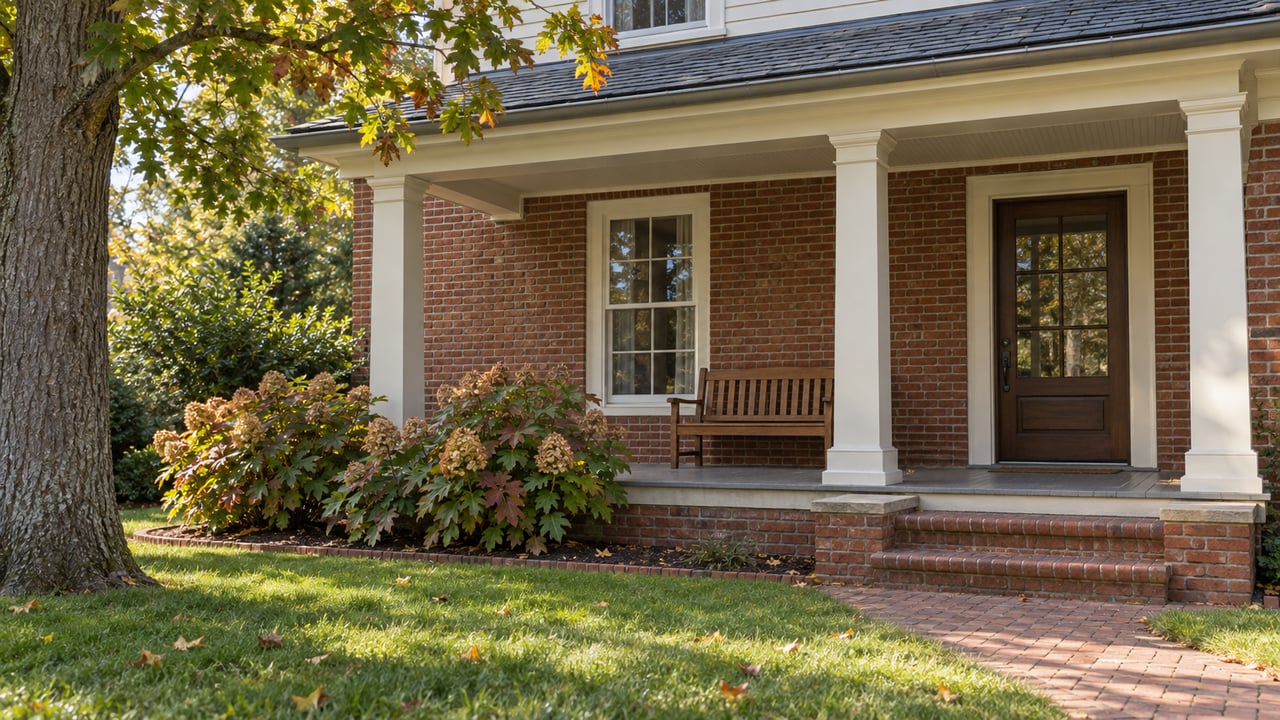
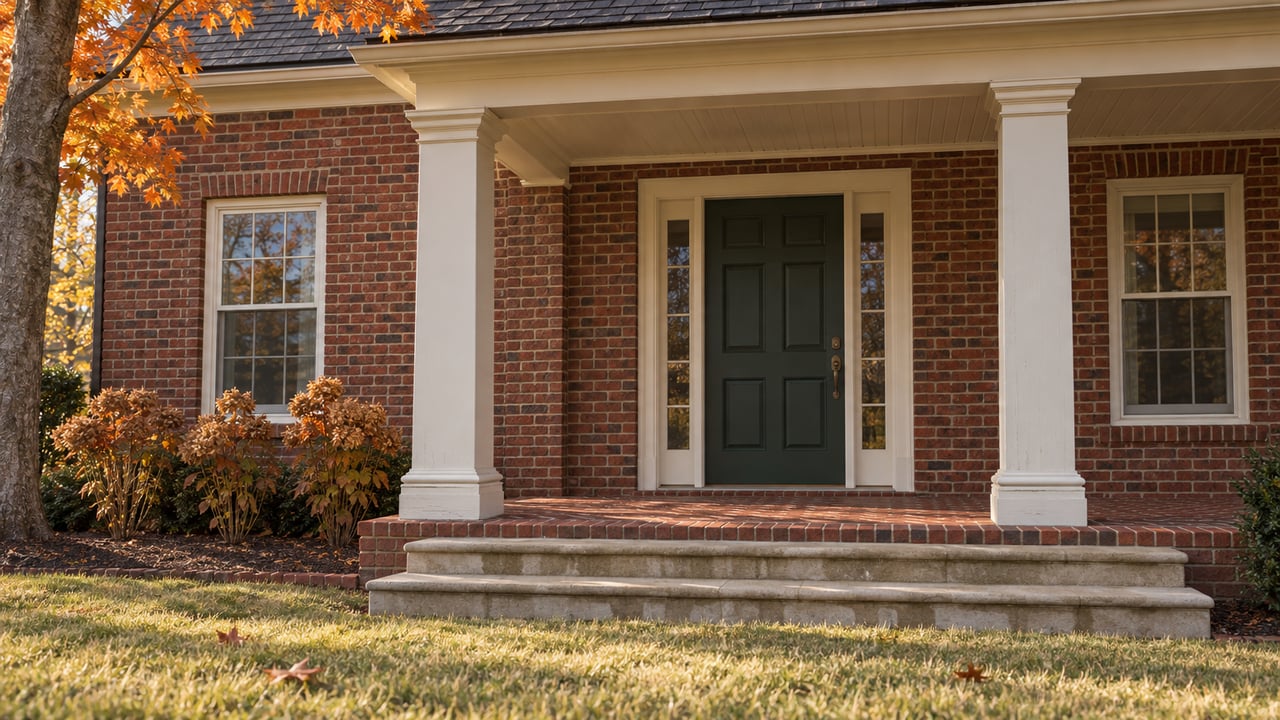
Historic Midtown homes often offer details that stand out right away, from front porches and original wood windows to compact cottage layouts and steep Tudor rooflines. These are the kinds of features that can make a home feel warm, lived-in, and distinct.
For buyers comparing options across Memphis, that character can be a major differentiator. It offers something that newer suburban construction often does not try to imitate in the same way.
A Walkable, Established Setting
Midtown grew alongside streetcar corridors and parkway planning, and the area remains closely tied to the city’s core. That historic development pattern helps shape the neighborhood feel people still value today.
The setting matters. Mature trees, older street patterns, and proximity to destinations like Overton Park create a lifestyle that feels established and connected.
Access to Parks, Dining, and Culture
Overton Park, with its 342 acres, is one of Midtown’s defining amenities. Cooper-Young is also widely known for its local businesses and restaurants, adding to the area’s day-to-day convenience and energy.
For many buyers, this means they are not just choosing a house. They are choosing proximity to parks, neighborhood dining, and cultural destinations that support a city-centered lifestyle.
Midtown Historic Districts to Know
Midtown includes multiple historic districts, each contributing to the area’s larger identity. Along with Central Gardens, notable districts include Cooper-Young, Evergreen, Annesdale-Snowden, South Parkway-Heiskell Farm, Stonewall Place, and Vollintine-Evergreen.
If you are considering a home in one of these areas, it helps to understand that the district itself may affect future exterior projects. Historic designation is not just a label. It can shape what changes are reviewed and approved.
What Buyers Should Check Before Making an Offer
Historic homes can be incredibly rewarding to own, but they also call for a more careful review than a newer build. Before you move forward, it helps to look beyond the charm and ask practical questions.
A thoughtful inspection and clear understanding of local rules can save you time, money, and stress later on.
Confirm Historic District Status
Start by finding out whether the home is in a local historic district or another overlay district. This matters because exterior work may be subject to city review.
In Memphis, Landmarks Commission review applies to new construction, exterior alterations, additions, site improvements, relocation, and demolition. The city has also stated that work visible from the public right-of-way in Central Gardens must meet district design guidelines and receive Landmarks Commission approval.
Review Exterior Change Limits
If you love the idea of updating a historic home, it is important to know that update-friendly does not mean anything goes. In historic districts, visible exterior changes often require review before work begins.
That can include façade changes, additions, and certain site improvements. The exact scope depends on the district and the project, so it is worth clarifying early.
Ask About Original Features
When you tour a Midtown historic home, ask what original features remain. Windows, porches, trim, and other architectural elements can add value to the home’s character and may influence future repair decisions.
The National Park Service advises repairing original wood windows whenever possible, and preservation guidance also emphasizes routine maintenance and repair for historic wood porches. In many cases, preserving what is there can make both aesthetic and practical sense.
Maintenance Issues Common in Older Midtown Homes
Older homes often come with recurring maintenance themes, and Midtown properties are no exception. The key is to understand what is common so you can budget and plan realistically.
A home can be beautiful and still need careful upkeep. That is normal with prewar housing.
Lead Paint Risks in Older Homes
If a home was built before 1978, it may contain lead-based paint. Renovation work can create hazardous lead dust, which is why lead-safe certified contractors are recommended for many projects.
If you are planning repairs or cosmetic work, this is an important point to discuss before getting started. It is especially relevant when sanding, scraping, or disturbing older painted surfaces.
Moisture and Mold Concerns
Mold problems are driven by moisture, so leaks around roofs, walls, windows, and plumbing should be fixed quickly. In an older home, small water issues can turn into larger repair projects if they are ignored.
That is why a careful look at signs of past or current moisture matters during due diligence. A pretty house still needs a dry, well-maintained envelope.
Wood Windows and Porches
Wood windows and porches are common features in Midtown historic homes, and both can require ongoing maintenance. If existing windows are in good condition, improving their efficiency may be more cost-effective than replacing them.
That is useful for buyers who assume replacement is always the best move. In many historic homes, repair and maintenance may be the smarter path.
Termites and Crawlspace Conditions
In Tennessee, subterranean termites are identified by University of Tennessee Extension as the state’s most destructive wood-feeding insects. They can enter structures through wood or foundation walls that touch the soil.
For Midtown buyers, that makes crawlspace moisture, grading, and foundation inspection especially important. A thorough inspection can help you spot conditions that deserve closer attention.
What Sellers Should Know Before Listing
If you are preparing to sell a Midtown historic home, buyers will likely look closely at condition, original details, and past updates. They may also ask whether exterior work was completed with any required approvals.
That makes preparation especially important. Clear records, honest property information, and a strong understanding of your home’s character can help your listing stand out.
Highlight Character and Setting
Historic Midtown buyers are often drawn to more than the house itself. Features like mature landscaping, a welcoming porch, original architectural details, and proximity to destinations like Overton Park or Cooper-Young all help tell the story.
A thoughtful listing strategy should show how the property fits into the larger Midtown lifestyle. That local context often matters as much as interior finishes.
Be Ready for Condition Questions
Buyers may ask about roofs, windows, porches, moisture issues, termites, and lead-related concerns. If you already know the status of these items, you can help create a smoother conversation during the transaction.
Preparation builds confidence. It also helps buyers understand the difference between normal upkeep and larger concerns.
A Note for Investors Considering Larger Rehabs
If you are looking at an income-producing historic property in Midtown, the federal Historic Tax Credit may be worth exploring. According to the Tennessee Historical Commission, the 20% federal credit applies to certified historic structures and income-producing properties.
It does not apply to a private owner-occupied residence. The commission also urges applicants to make contact before starting work, which is an important step if you are evaluating a larger rehab.
Why Local Guidance Matters in Midtown
Midtown historic homes are rewarding because they offer architecture, setting, and neighborhood identity that feel hard to duplicate. They also require buyers and sellers to pay closer attention to district rules, maintenance patterns, and the realities of older construction.
That is where local expertise can make a real difference. When you understand both the charm and the responsibilities, you can make smarter decisions and enjoy what makes Midtown special.
If you are thinking about buying or selling a historic home in Midtown Memphis, connect with a Memphis neighborhood expert at Ware Jones.
FAQs
What architectural styles are common in Midtown Memphis historic homes?
- Midtown includes Craftsman bungalows, modest cottages, Tudor Revival homes, Four Square houses, and other period revival styles, with especially strong examples in districts like Central Gardens.
What should buyers ask about a Midtown historic home before making an offer?
- Buyers should ask about the home’s style, which original features remain, whether it is in a local historic district, what exterior changes may need city approval, and what repairs may be common for the property.
What exterior work may need approval in a Midtown Memphis historic district?
- In Memphis historic districts, review may apply to new construction, exterior alterations, additions, site improvements, relocation, and demolition, especially for work visible from the public right-of-way.
What maintenance issues are common in older Midtown Memphis homes?
- Common concerns include lead-based paint in homes built before 1978, moisture and mold tied to leaks, aging wood windows and porches, and termite risks related to wood-to-soil contact and crawlspace conditions.
Can a Midtown Memphis historic home qualify for a historic tax credit?
- A federal Historic Tax Credit may apply to certified historic structures that are income-producing, but it does not apply to a private owner-occupied residence according to the Tennessee Historical Commission.