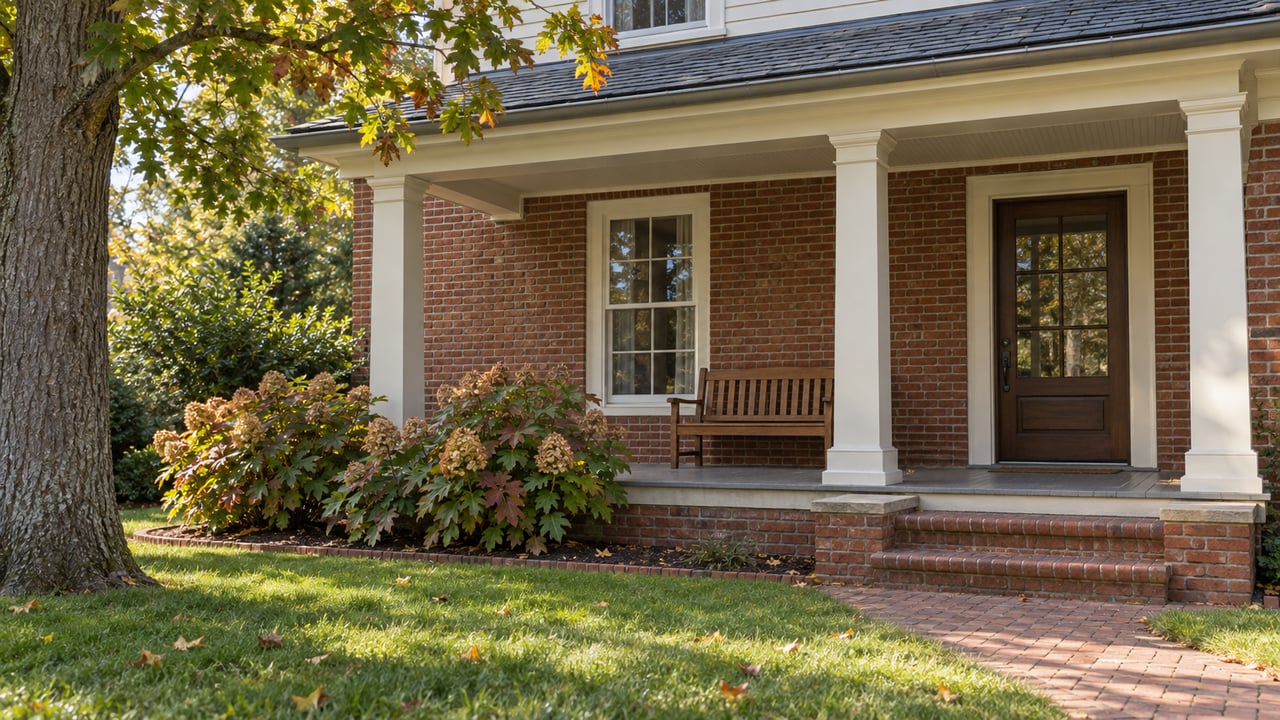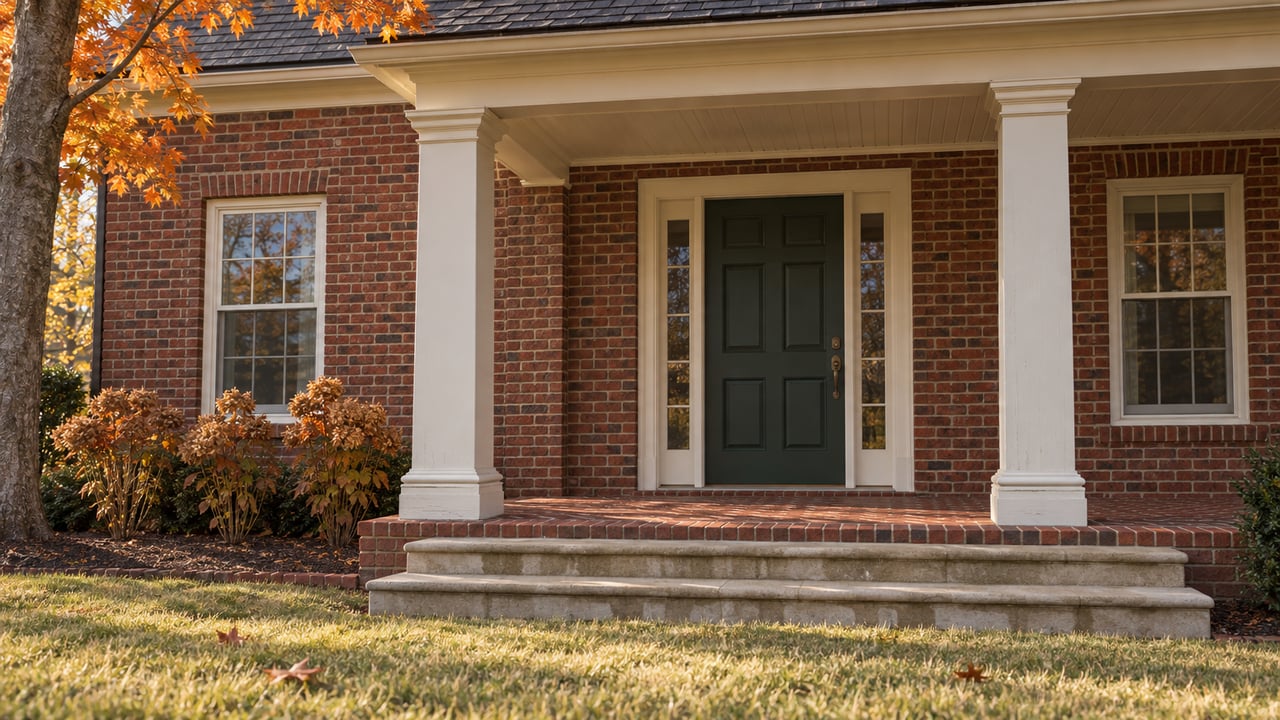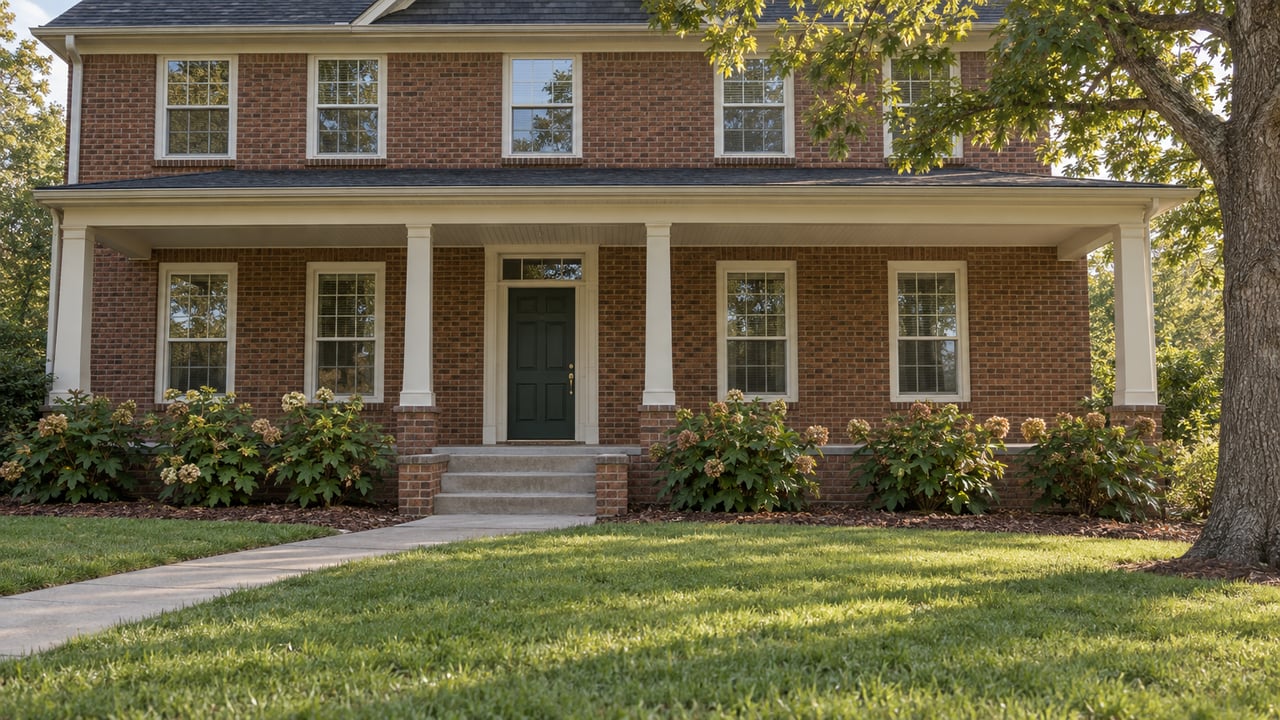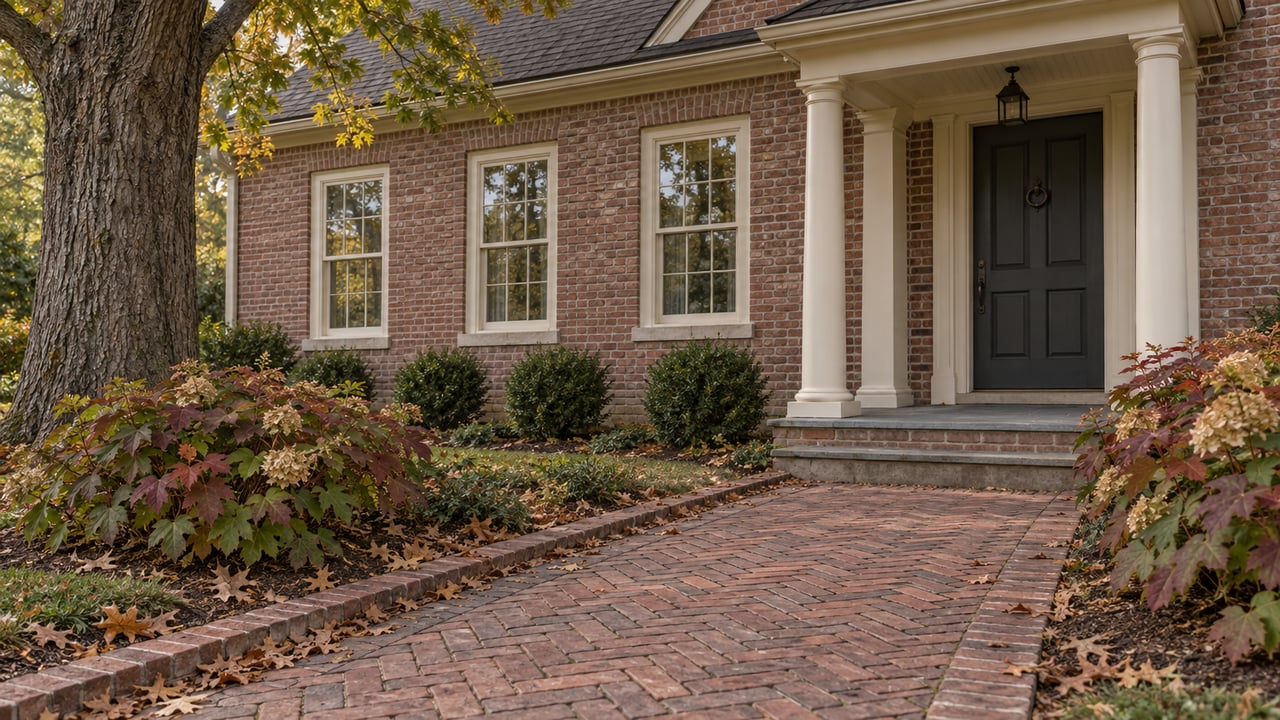
If you are deciding where to live in Collierville, the biggest question may not be price or square footage. It may be whether you want the character and walkable feel of the historic core or the structure and amenities that often come with newer neighborhoods. Both can be a great fit, but they offer very different day-to-day experiences. Let’s break down what sets them apart so you can focus on the lifestyle that suits you best.
How Collierville’s neighborhoods differ
Collierville itself recognizes two distinct development patterns. The town separates its historic district from non-historic areas and applies different planning and design guidelines to each.
That matters because the choice is not simply between an old house and a new house. In Collierville, historic and newer neighborhoods were shaped in different ways, so they often feel different in how they look, function, and fit your routine.
What defines historic Collierville
Historic Collierville centers on the downtown area and Town Square. The town describes the Square as the heart of a vibrant, living neighborhood and a destination connected to parks and the Greenbelt.
The local historic district was established in 1989, and the National Register district includes 127 buildings, sites, structures, and objects, with 94 contributing resources. Collierville’s Historic District Commission has also issued Certificates of Appropriateness for more than 300 private properties in the overlay, which shows how active preservation is in this area.
Historic homes offer variety
One of the biggest draws of older neighborhoods is architectural range. The town’s preservation materials describe everything from small bungalows to large foursquares, along with brick homes and smaller wood-frame dwellings.
The 2021 survey adds even more variety, including mid-19th-century Greek Revival homes, late-19th-century hall-and-parlor forms, pyramid-square and gabled-ell houses, plus early-20th-century American Foursquare and Craftsman/Bungalow styles. If you enjoy homes with individual character, this part of Collierville stands out.
Lot patterns feel more organic
In the historic core, lot layouts are more compact and less standardized. Older homes are often set back toward the middle or rear of the lot, and mature deciduous trees and established landscaping are common features.
Around the Town Square, the original building pattern included narrow lots and closely spaced buildings. That gives the area a more traditional town feel than you will usually find in newer suburban subdivisions.
Walkability is part of the appeal
Historic downtown Collierville is more pedestrian-oriented and mixed-use than a typical subdivision. The Square includes shops, restaurants, a museum, and historic attractions, and the Greenbelt is designed to connect neighborhoods, parks, schools, and commercial areas.
The preservation guide also describes the district as having a small-village feel and a strong identity. For many buyers, that translates into a lifestyle where you feel closer to the center of town and more connected to everyday destinations.
What to expect in newer Collierville neighborhoods
Newer neighborhoods in Collierville are usually shaped by modern planning and design standards. In non-historic areas, the town emphasizes tree-lined streets, green space, buffers, and consistent street edges.
Those standards also guide how setbacks relate to nearby development and encourage open space connections to the Greenbelt. In attached housing, usable open space must be within 300 feet, which reflects how newer communities are often designed with shared outdoor areas in mind.
Newer communities tend to feel more planned
Many newer neighborhoods have a more coordinated look and layout. Rather than growing block by block over many decades, they are often designed with a clearer overall plan for streets, lots, landscaping, and common areas.
Collierville’s Design Review Commission reviews exterior plans for land use categories other than single-family detached residential, along with final plans for planned unit developments, fences, signs, and landscaping. In practice, that helps explain why newer mixed-use or attached-home areas can feel more formally organized.
Housing options are broader than many buyers expect
Newer Collierville is not limited to detached houses. The town’s residential pipeline includes townhouses, condos, apartments, and detached homes.
As of December 31, 2023, Collierville reported 3,038 stand-alone apartment units constructed or approved, which is 86 percent of the zoning cap in the Collierville 2040 Land Use Plan. If you want more than one type of housing option in your search, newer areas may open up more choices.
Some newer areas blend uses and amenities
Schilling Farms is one example of newer master-planned development in Collierville. It is described as a 443-acre mixed-use community with office, retail, industrial, hotel, single-family, and multi-family uses, designed to create a walkable small-town environment.
That does not make it the same as historic downtown, but it shows that newer Collierville can offer convenience and connectivity in a different form. Instead of historic density and older architecture, you may get a more curated mix of uses and amenities.
Historic vs newer: the daily tradeoffs
Neither option is automatically better. The better fit depends on what you want your home and neighborhood to do for you.
Historic Collierville tends to appeal to buyers who value architectural character, mature trees, compact lot patterns, and a denser setting near the Square. Newer neighborhoods tend to appeal to buyers who want more predictable streetscapes, newer construction, shared amenities, and a more structured neighborhood setup.
Character vs consistency
Older neighborhoods usually offer more visual variety. Homes may differ widely in style, size, age, and materials, which can create a more individualized streetscape.
Newer neighborhoods often feel more consistent. That can be a plus if you prefer a coordinated appearance and a neighborhood built around a defined plan.
Walkable core vs amenity-focused design
Historic downtown has the advantage of being tied directly to the Square and its mix of shops, restaurants, and civic spaces. The setting feels more rooted in traditional town patterns.
Newer communities may still include sidewalks, green space, and pedestrian connections, but they usually deliver walkability through planned features rather than historic street patterns. The experience is often more suburban and amenity-oriented.
Organic lots vs standardized layouts
Historic homes sit on lots that often reflect older development patterns. That can mean mature landscaping, irregular spacing, and a lot-by-lot sense of individuality.
In newer neighborhoods, lots are usually shaped by current setbacks, open-space requirements, and neighborhood-wide design standards. The result is often a cleaner, more uniform layout.
Maintenance and oversight differences
This is one of the most important practical differences for buyers. In the historic district, exterior changes are subject to a different review process than in non-historic neighborhoods.
Routine maintenance, interior work, and minor repairs do not require a Certificate of Appropriateness. But exterior alterations, additions, new construction, demolition, fences, walls, and major site changes visible from the public right-of-way do require review by the Historic District Commission.
Historic homes may require more planning
If you are buying in the historic district, it helps to be comfortable with added exterior-review oversight. That is especially important if you expect to make visible changes after closing.
Older homes can also come with upkeep tied to older materials and mature landscaping. Many buyers love that character, but it is wise to understand the commitment before you buy.
Newer neighborhoods may have more HOA structure
In newer communities, oversight often shows up through neighborhood associations and covenants rather than historic preservation review. Collierville keeps a voluntary HOA and neighborhood registry, which reflects how common organized neighborhood associations are across town.
Examples in local communities show what that can look like. Some neighborhoods have clubhouses, pools, lakes, common open space, sidewalks, benches, lamp posts, property management, dues, and committees focused on architecture, grounds, or finances.
For you, that can mean more predictable maintenance of shared spaces and a more uniform streetscape. It can also mean more rules and neighborhood-level review.
How to choose the right fit in Collierville
A simple way to think about it is this: historic Collierville offers compact, character-rich living near the town’s historic center, while newer Collierville offers more planned, amenity-rich suburban living.
If you are drawn to classic architecture, mature trees, and a downtown setting with a distinct identity, older established areas may feel like home. If you prefer newer construction, coordinated neighborhood features, and a more structured environment, newer communities may be the better match.
The key is to focus on how you want to live, not just what a home looks like online. When you compare neighborhoods through that lens, the right choice usually becomes much clearer.
If you want help narrowing down where you fit best in Collierville, connect with Ware Jones for local guidance tailored to your move.
FAQs
What is the main difference between historic and newer neighborhoods in Collierville?
- Historic Collierville is centered around older architecture, compact lot patterns, and the walkable Town Square area, while newer neighborhoods are typically more planned, more standardized, and more likely to include HOA structure or shared amenities.
Do historic homes in Collierville have renovation rules?
- Yes. In Collierville’s historic district, exterior alterations, additions, new construction, demolition, fences, walls, and major visible site changes require review by the Historic District Commission, while routine maintenance, interior work, and minor repairs do not.
Are newer Collierville neighborhoods only single-family homes?
- No. Newer Collierville includes detached homes as well as townhouses, condos, and apartments.
Is downtown Collierville more walkable than newer subdivisions?
- In general, yes. The historic downtown area is more mixed-use and pedestrian-oriented, with the Square, shops, restaurants, attractions, and Greenbelt connections shaping a more walkable daily experience.
Do newer neighborhoods in Collierville usually have HOAs?
- Many do have organized neighborhood associations or HOA-style oversight, although the town’s registry is voluntary and not fully comprehensive. In practice, newer communities are more likely to include shared amenities, dues, and neighborhood rules.
Which Collierville neighborhood style is better for buyers who want character?
- Buyers who prioritize architectural variety, mature trees, and an individualized streetscape often prefer historic or older established neighborhoods in Collierville.