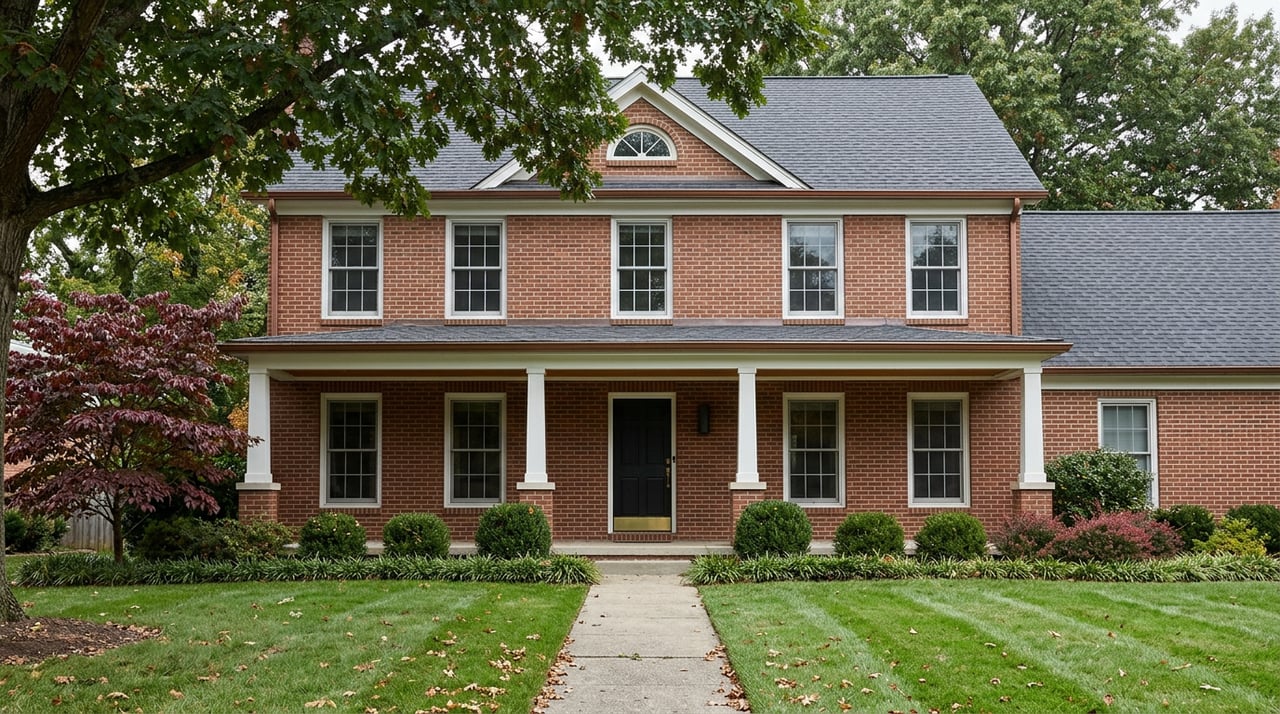
Drive down almost any collector road in Lakeland this summer and you'll pass at least one banner promising a builder bonus. At Evergreen, the new subdivision going up near Lakeland's new middle and high school, that number is $20,000. A few blocks over, another new community with a similar floor plan is offering $5,000. Neither number shows up on the county's plat map or in a standard comparative market analysis. Both numbers change what a resale seller two streets over needs to understand about pricing a home right now.
If you're getting ready to list a resale home in Lakeland, the instinct is to look at what similar new construction is asking, then price your home a little under it to look like the smarter buy. That instinct treats the builder's list price as the real price. It isn't. The incentive gets built in before a single offer is written, and it changes the comparison you're actually competing against.
The list price was never the whole story
A builder advertising a $20,000 bonus at Evergreen isn't discounting out of generosity. That money typically gets applied to closing costs, a rate buydown, or design center upgrades, three uses that all point at the same goal: lowering the buyer's monthly payment or move-in cost without touching the number printed on the sign. The home still lists at its full price. What the buyer actually pays to own it does not match that number.
This matters for a Lakeland seller because appraisers and buyers both pull nearby new construction into their comparison set, and most of them are comparing sticker price to sticker price. A resale home priced fifteen thousand dollars under a new build's list price can still be the more expensive option once the new build's incentive is netted out. A seller who assumes they're undercutting the competition may not be.
What the incentive is actually buying
Nationally, builders have leaned into this harder than they have in years. A recent National Association of Home Builders survey found that 66 percent of builders were offering some kind of sales incentive in August, the highest share recorded in five years, and roughly 40 percent were cutting prices outright, by an average of about 5 percent. Applied to a home priced similarly to several new listings around Lakeland, that percentage lands in roughly the same range as the flat bonus Evergreen is currently advertising, which is a useful reminder that the round number on the banner isn't arbitrary. It's built to match what the market is already conceding elsewhere.
Rate buydowns work differently but land in the same place. A typical builder-funded buydown lowers a buyer's interest rate for the first year or two before it reverts to the full note rate, which can shave a real amount off the early monthly payment on a loan in the range many Lakeland buyers are financing. A buyer weighing a resale home against a new one usually isn't comparing list prices side by side. They're comparing what hits their bank account each month, and a builder's incentive package is built specifically to win that comparison.
The subdivisions changing Lakeland's comp set
At least three active communities illustrate the pattern right now. Evergreen, built near Lakeland's new middle and high school, is advertising the $20,000 bonus on homes with two bedrooms down and two up plus a playroom or fifth bedroom, double ovens, and a gas cooktop. A separate new subdivision elsewhere in Lakeland is offering $5,000 on a similar floor plan, with a neighborhood pool and pickleball courts already built out as part of the pitch. Lakeland Meadows, one of the area's established new-home communities, competes less on a stated dollar bonus and leans instead on its own pool and pickleball amenities. The Estates of Ashmont, a gated new community, sits at the higher end of Lakeland's price range and competes on lot size and privacy rather than a cash incentive.
None of these communities are hiding their terms. The bonus amounts show up directly in the listing descriptions. What doesn't show up automatically is the net price after the incentive is applied, which means a seller pricing against these comps needs to ask for that number specifically rather than working off the headline figure.
What this means for pricing your resale home
A few adjustments make the difference between competing on the builder's terms and competing on yours.
Ask for the net price, not the list price. Before you set your listing price against a nearby new build, find out what that home's actual buyer is paying after the bonus, buydown, or closing cost credit is applied. That's the number your home is really competing against, not the one on the sign.
Sell what a builder can't build overnight. Mature trees, an established yard, finished landscaping, and a home that's move-in ready today rather than in five or six months are real advantages a new subdivision won't have for years. Put those details in your listing description and photos rather than treating them as an afterthought.
Compete on total cost, not just sticker price. If a builder can lower a buyer's payment through a rate buydown, a seller can sometimes offer a comparable concession, whether that's covering part of the buyer's closing costs or funding a temporary rate buydown through your own lender. Ask your agent to run the payment comparison both ways before you decide how to price and market the home.
A few practical questions
Do all the new subdivisions around Lakeland offer incentives? Not every community advertises a flat bonus. The Estates of Ashmont, for example, competes more on lot size and privacy than on a cash incentive. Others, like Evergreen, post the bonus amount directly in the listing, which makes them easier to compare against once you know to look.
Can a resale seller really offer a rate buydown like a builder does? Yes, through your own lender, though the mechanics differ from a builder's in-house financing arrangement. A seller-funded temporary buydown or closing cost credit accomplishes a similar goal: lowering the buyer's early monthly payment without cutting your list price. Your agent and a local lender can run the numbers to see whether that makes more sense than a straight price reduction.
How do I find the real net price on a new construction comp? Ask the listing agent directly, or have your agent ask on your behalf. Builders are generally willing to disclose current incentive terms since they're actively trying to move inventory. That net number, not the list price, is what belongs in your comparative market analysis.
Pricing a resale home in Lakeland right now means pricing against a moving target, not a fixed one. The builders down the street are willing to negotiate before a single showing happens. Your strategy should account for that before your sign goes in the yard, not after the first low offer comes in.
If you're weighing how to price and market a resale home in Lakeland this season, Ware Jones can help you read the real comps, not just the ones printed on a banner. Connect with a Memphis neighborhood expert to talk through your specific street and timeline.