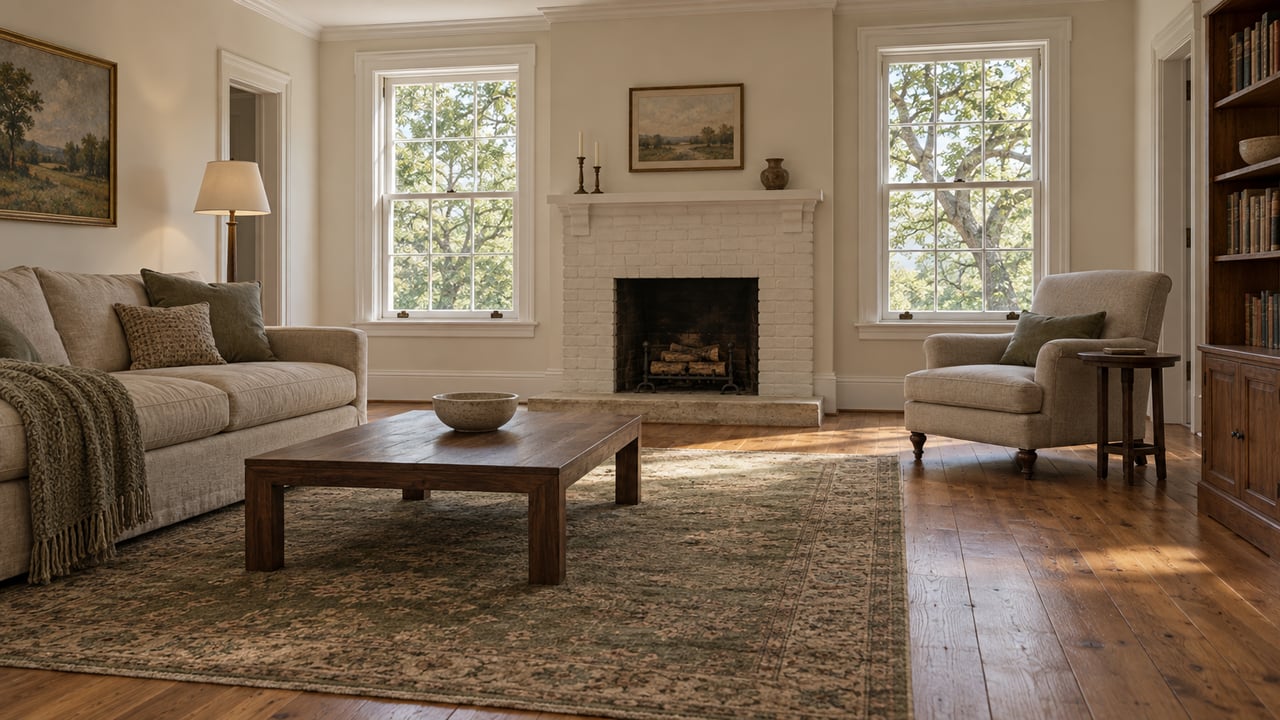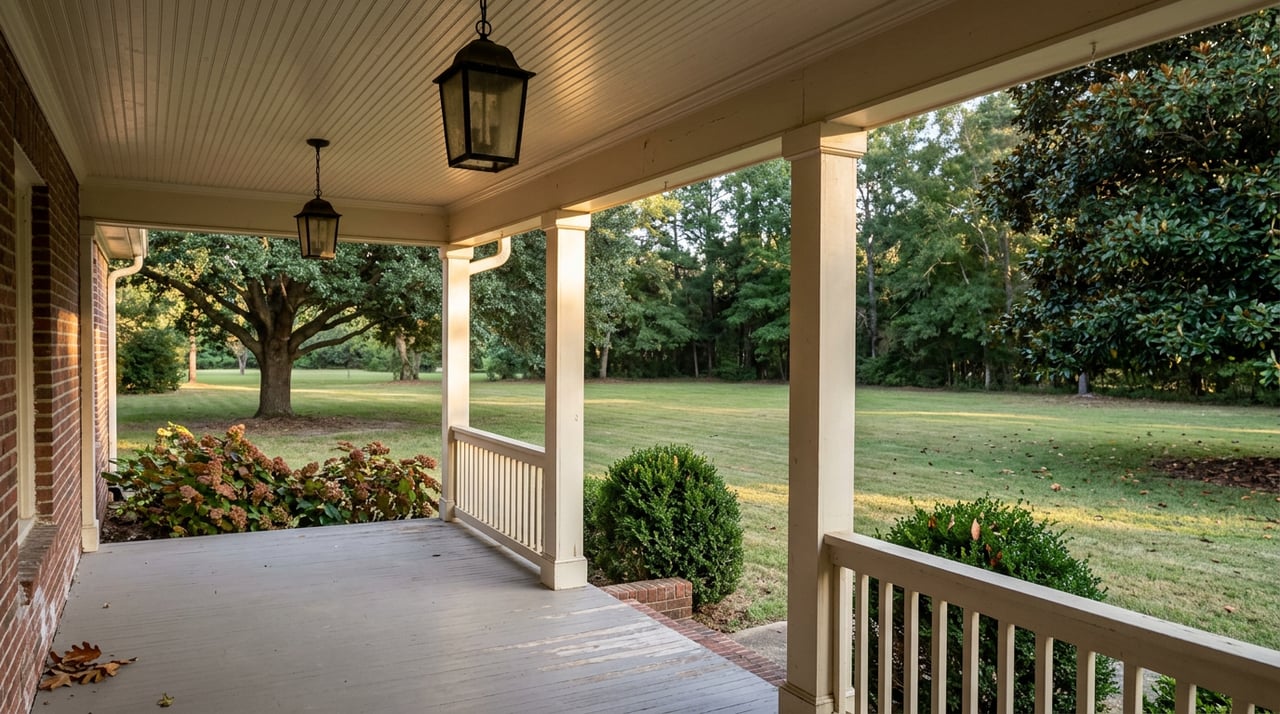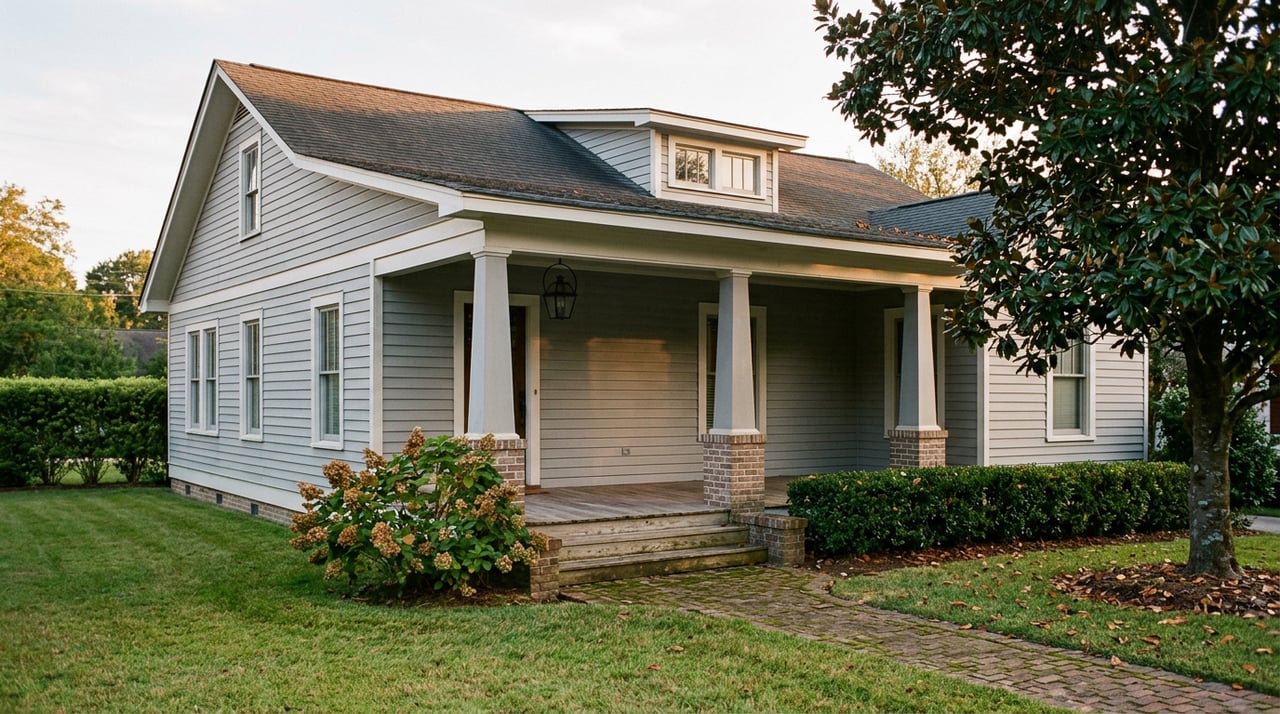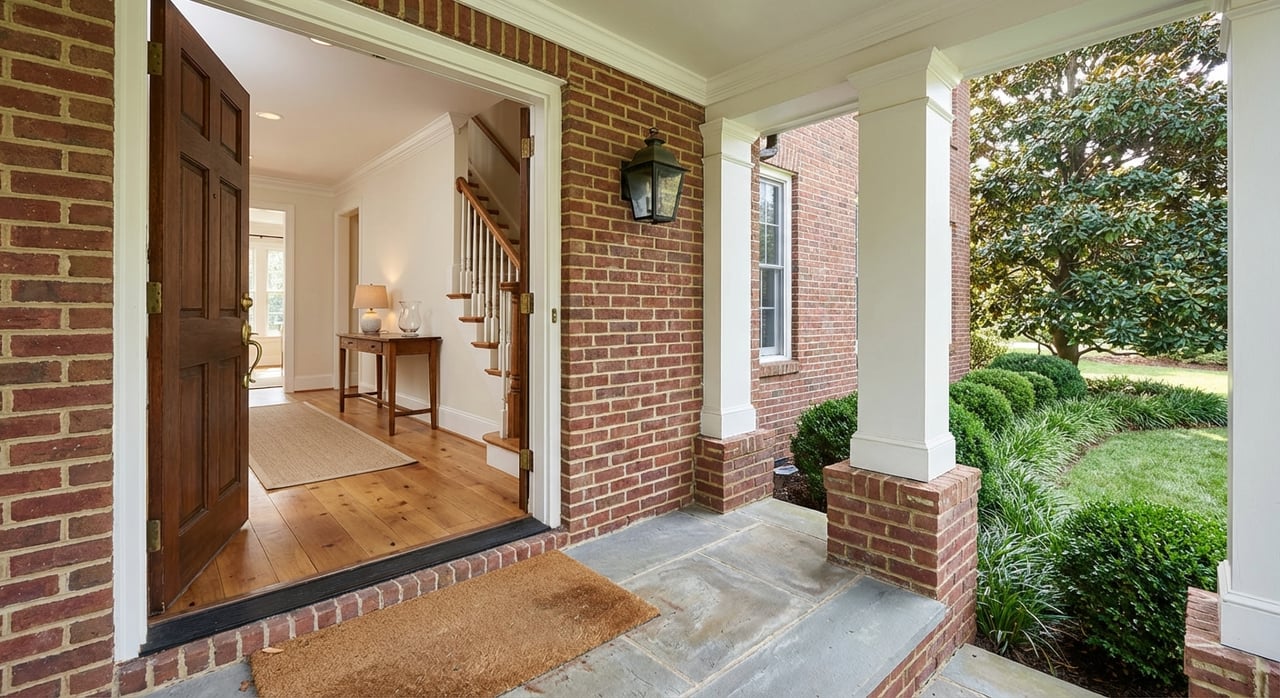
Thinking about listing your Germantown home but not sure where to start? You want your place to shine online, show well in person, and sell without last‑minute surprises. With a smart plan, you can focus on the updates that matter most to local buyers and avoid overspending. In this guide, you’ll learn what Germantown buyers expect, which projects offer the best return, how to stage for stronger offers, and the key Tennessee disclosures and permits to know. Let’s dive in.
Know the Germantown market
Recent market snapshots show a mixed picture depending on the data source and time frame. For example, Realtor.com reported a median for‑sale price around $552,000 with average days on market near 83 days for late 2025. Other snapshots, like MLS‑derived reports, have shown lower medians in early 2026, and Zillow’s value index was in the mid‑$470,000s at year‑end 2025. These differences reflect whether the source is tracking list price, closed sale price, or an index. Your best pricing anchor is a local CMA tailored to your home’s features and recent comparable sales. You can view a high‑level snapshot on the Realtor.com Germantown page for context, then use a local analysis to set strategy (local market snapshot).
What local buyers prioritize
Germantown draws many move‑up buyers and households who value well‑maintained properties with usable outdoor space. Census figures reflect higher owner‑occupied home values locally, which often aligns with an expectation for updated finishes in kitchens and baths (Census QuickFacts). Many buyers also consider public school options in their search, so homes that feel move‑in ready tend to stand out when buyers compare listings within the same attendance areas (Germantown Municipal School District).
Bottom line for your prep plan: emphasize turnkey presentation, strong curb appeal, bright photos, and visible updates in spaces buyers use most.
Your step‑by‑step prep plan
1) Immediate low‑cost wins
Start with the basics that improve every photo and showing.
- Declutter, depersonalize, and deep clean. A professional cleaning before photos is worth it. National staging guidance consistently ranks these steps at the top for buyer impact.
- Repaint in light, neutral tones where needed. Touch up scuffs and patch nail holes so rooms feel fresh and bright.
- Fix small things buyers notice: sticky doors, leaky faucets, cracked tiles, loose handrails, torn screens, burned‑out bulbs. Clearing easy repairs removes negotiation leverage for minor issues (pre‑listing inspection guidance).
- Maximize light and sight lines. Open blinds, trim shrubs that block windows, and edit extra furniture to show flow.
2) High‑ROI cosmetic and exterior moves
When your budget allows, target projects that deliver strong curb appeal or a visible interior refresh.
- Upgrade the garage door or front entry. Regional Cost vs. Value reporting shows garage door replacements often recoup a high share of cost in the Memphis study area, and a refreshed entry drives first impressions (Cost vs. Value Memphis overview).
- Refresh curb appeal. New house numbers, front‑door hardware, a tidy mailbox, fresh mulch, trimmed shrubs, and edged lawns make photos pop.
- Pressure wash siding and hardscapes, clean gutters, and touch up exterior paint as needed.
- Consider a minor kitchen refresh. Cabinet refacing or painting, updated hardware, a modest countertop upgrade, and new lighting or faucet can show very well without a full gut. Use local comps and your CMA to confirm payback potential.
3) Systems, safety, and documentation
Buyers and lenders look for signs of good maintenance. Get in front of concerns.
- Schedule HVAC service, check water heater and roof condition, and address visible electrical or plumbing issues. Keep receipts handy for buyers.
- If you have a septic system or private well, gather service records and consider a proactive check if you suspect issues (pre‑listing inspection guidance).
Stage and photograph for results
Staging, quality photos, and a strong virtual experience can reduce time on market and lift offer amounts. NAR research shows many agents see staged homes sell faster and for 1 to 10 percent more, and it pinpoints which rooms matter most to buyers (NAR staging research).
- Prioritize the living room, primary bedroom, and kitchen. These spaces carry the most weight in offer decisions.
- Sequence wisely. Complete decluttering and staging before the photoshoot so your online presence shines from day one.
- Consider virtual staging and a 3D tour for vacant homes or higher‑end listings where out‑of‑area buyers are common. Strong visuals help qualify interest and reduce wasted showings.
Budget planning helps set expectations:
- Professional staging often runs about 1,000 to 2,000 dollars for the first month for a typical single‑family home, depending on scope and size (staging cost overview).
- Real estate photography packages typically range from 150 to 500 dollars, with add‑ons like drone or twilight images increasing cost (photography pricing guide).
Inspections, disclosures, and permits in Tennessee
Tennessee seller disclosures
Tennessee’s Residential Property Disclosures Act requires most residential sellers to provide either a property disclosure or a statutory disclaimer, delivered before contract acceptance. Complete the form in good faith and disclose known material defects. If you have questions, consult your agent or an attorney (Tennessee disclosure law overview).
Pre‑listing inspection and termite/WDI checks
A pre‑listing home inspection can help you address issues on your timeline, reduce last‑minute repair requests, and support smoother negotiations. Typical costs for a standard inspection often fall in the 300 to 500 dollar range, depending on size and scope (pre‑listing inspection guidance).
In Tennessee, termite and other wood‑destroying insects are a common concern. If buyers use VA financing, a pest inspection is commonly required in moderate to heavy termite areas and any active issues must be treated before funding. If you see signs of activity, consider getting ahead of it with a WDI inspection (VA pest inspection basics).
Germantown permits and design review
If you completed recent renovations, be ready to show permits and approvals where required. Major structural, mechanical, or exterior work often needs a permit or review, and buyers may ask for documentation. You can verify requirements and permits with the City’s planning and codes team (Germantown codes and guidelines).
Timing and budget, simplified
Here is a practical four‑week path many Germantown sellers can follow.
- Week 0 to 1: Walk through the home with your agent, set priorities, and schedule bids. Consider a pre‑listing inspection if you want to eliminate surprises (pre‑listing inspection guidance).
- Week 1 to 3: Knock out small repairs, neutral paint, pressure washing, and a quick landscape refresh. Complete any targeted refreshes that your CMA supports, such as a minor kitchen update. Pull permits if required (Germantown codes and guidelines).
- Week 3: Stage priority rooms and schedule professional photography and a virtual tour. Confirm your pricing strategy and launch plan based on fresh comps and market activity.
- Week 4: Go live with standout photos and a clean, accurate listing. Monitor showing feedback, then adjust price or presentation if needed. For top‑line context, you can keep an eye on the public snapshot here (local market snapshot).
Representative budget ranges to guide planning:
- Pre‑listing home inspection: 300 to 500 dollars, varies by size and scope (pre‑listing inspection guidance).
- Staging: roughly 500 to 2,000 plus dollars for partial or full service, depending on size, scope, and duration (staging cost overview).
- Photography and basic virtual tour: 150 to 500 dollars typical, with add‑ons like drone or twilight images increasing cost (photography pricing guide).
- Targeted cosmetic updates: 500 to 5,000 dollars for paint, hardware, and curb appeal refreshes in many cases. For bigger moves like a garage door replacement or a minor kitchen project, consult your CMA and regional Cost vs. Value data to confirm expected payback (Cost vs. Value Memphis overview).
When to go beyond basics
Consider mid‑range updates when your agent’s CMA shows clear upside. For example, if similar nearby homes with refreshed kitchens are selling faster or at higher prices, a focused cabinet refacing, hardware swap, and counter upgrade can be a smart move. Garage and entry door upgrades are often safe bets because they are visible in every showing and photo. Always balance timeline and budget against likely lift in buyer response.
Preparing to list should feel manageable, not overwhelming. With a clear plan, you will focus on what matters most to Germantown buyers and protect your leverage during negotiations. If you are weighing which updates to tackle, or you want a room‑by‑room plan that fits your timeline, connect with a neighborhood‑savvy advisor at Ware Jones to get started.
FAQs
How long does it take to prepare a Germantown home to sell?
- Many sellers can get market‑ready in about four weeks with focused prep, staging, and photography, though timelines vary by scope and contractor availability.
What updates offer the best ROI in Germantown?
- Regional Cost vs. Value data highlights garage door and entry updates, plus minor kitchen refreshes, as strong performers when matched to local comps.
Do I need to stage every room before listing in Shelby County?
- No, prioritize high‑impact spaces like the living room, primary bedroom, and kitchen since these most influence buyer decisions per NAR research.
What disclosures are required for Tennessee home sellers?
- Most residential sellers must provide a property disclosure or a statutory disclaimer before contract acceptance under Tennessee law.
Should I order a termite inspection before listing in Germantown?
- If you see signs of activity or expect VA‑financed buyers, a WDI inspection is prudent since many lenders require clearance in moderate to heavy termite areas.
How much should I budget for staging and photos?
- Many sellers budget about 1,000 to 2,000 dollars for staging the first month and 150 to 500 dollars for professional photography, depending on scope and add‑ons.