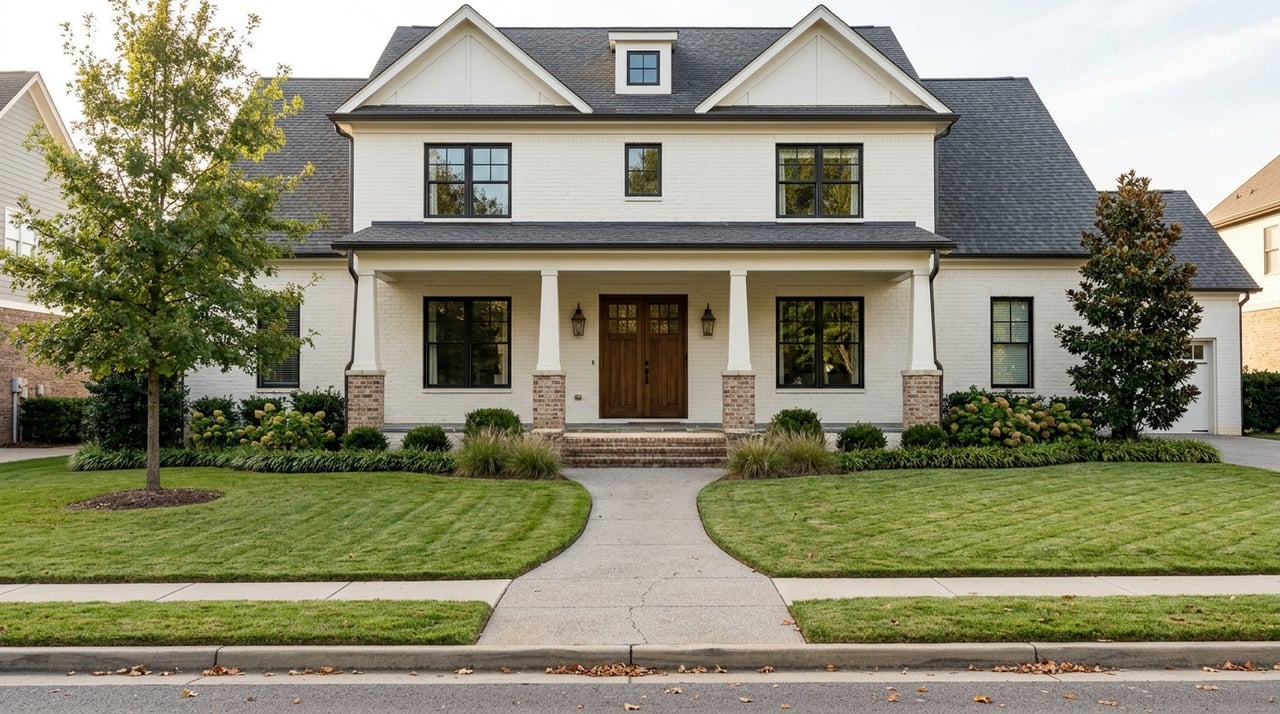
If you have started looking at homes in Cordova, you have probably noticed something quickly: one neighborhood can feel very different from the next. A similar price point might get you a larger lot in one subdivision, a gated setting in another, or more shared amenities somewhere else. Understanding those differences can help you narrow your search, compare homes more confidently, and focus on the areas that best fit your goals. Let’s dive in.
Why Cordova Feels So Varied
Cordova is not one single housing product. Current market data shows a median listing price of $323,950, with homes spending a median of 42 days on market and selling at about 100% of list price.
Just as important, pricing varies by area. Recent neighborhood medians show about $313,750 in Countrywood, $340,000 in Cordova Club, and $392,450 in Walnut Grove. That spread helps explain why Cordova is often easier to understand by subdivision style, lot size, and HOA structure instead of by one broad location label.
How to Compare Cordova Subdivisions
When you look at Cordova neighborhoods, three factors usually shape the experience most:
- Lot size
- Home age and layout
- HOA rules and amenities
Some subdivisions lean toward larger lots and more established surroundings. Others offer more compact yards, newer-feeling floor plans, or a more defined set of neighborhood rules. If you keep those three factors in mind, the search gets much easier.
Riverwood Farms Home Styles
Larger planned-community feel
Riverwood Farms is one of Cordova’s larger established planned communities. It was established in 1985 and now includes more than 1,100 homes, along with 20 acres of green space, a 35-acre lake, 2.5 miles of private walking trails, and a courtesy patrol.
Typical homes in Riverwood
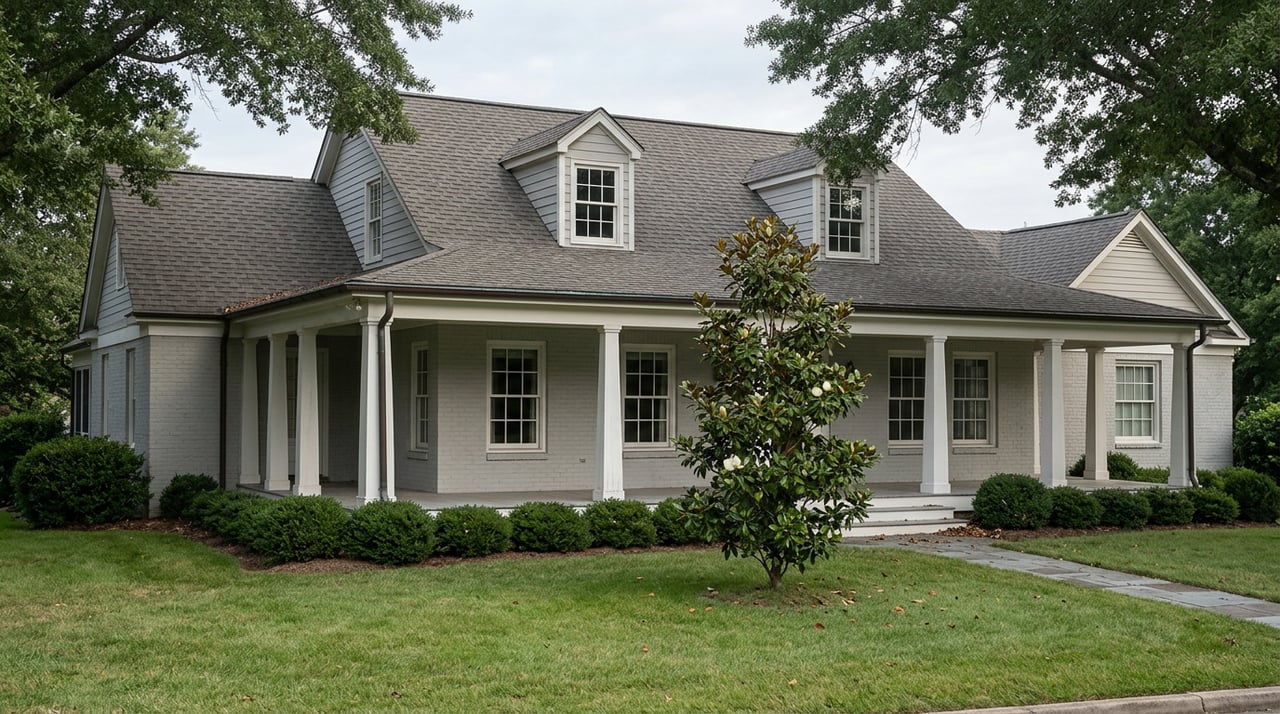
Recent listing examples in Riverwood show mainly traditional single-family homes built around 2000 to 2003. Many fall in the 2,600 to 3,700 square foot range, often with 4 bedrooms and 3 to 3.5 baths.
Lots commonly range from about 0.27 to 0.5 acres. Inside, buyers often see features like bonus rooms, hearth rooms, vaulted or coffered ceilings, and brick veneer exteriors.
Who Riverwood may appeal to
If you want an established neighborhood with more shared green space and a larger-scale community layout, Riverwood is a strong example. It also fits buyers who like mature subdivision planning and homes with more square footage than some smaller Cordova neighborhoods.
Berryhill Farms Home Styles
Classic 1990s to 2000s suburbia
Berryhill Farms offers a more compact suburban feel and reflects much of Cordova’s late-1990s and early-2000s housing stock. The HOA was founded in 1995 and includes 1,128 homes.
Typical homes in Berryhill
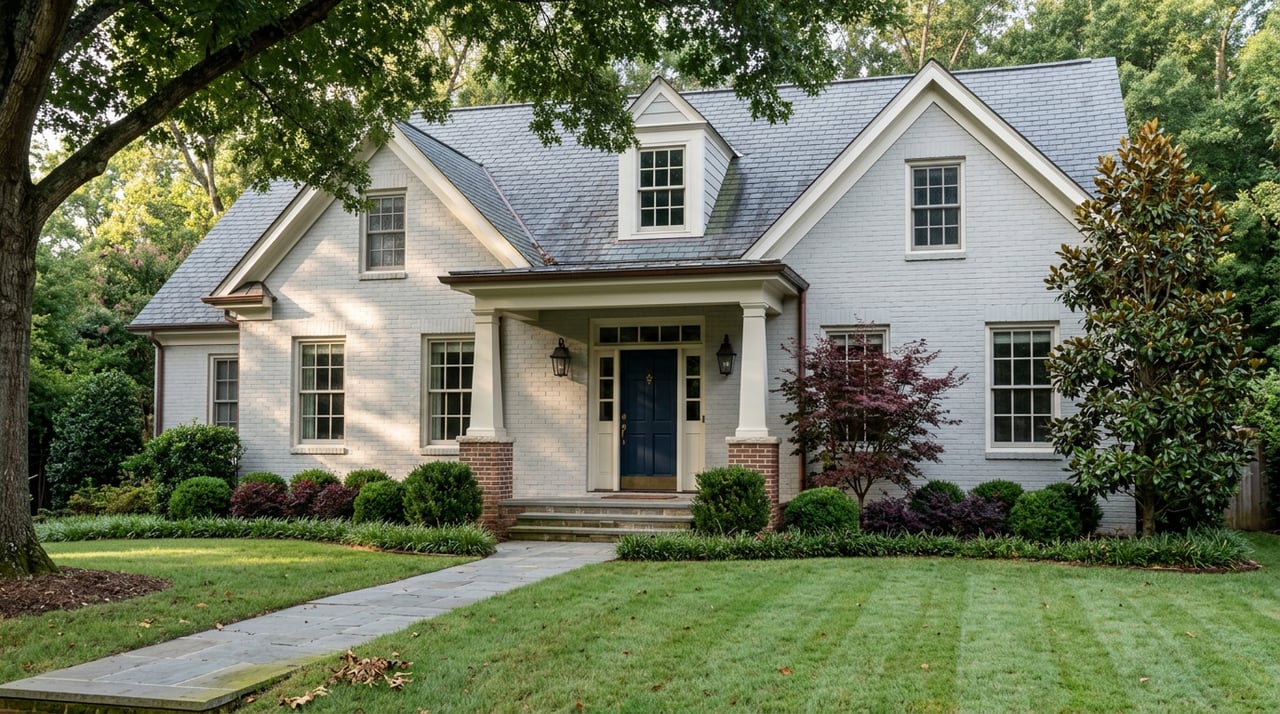
Recent examples show traditional brick homes with practical suburban layouts. One current example is a 1998-built, 4-bedroom, 2.5-bath home with 2,611 square feet on a 0.31-acre lot.
Other recent listings show the open-concept features many buyers connect with newer suburban design. These can include a two-story foyer, eat-in kitchen, cooking island, bonus room, and 3-car garage.
What stands out here
Berryhill often makes sense if you want a neighborhood with a familiar suburban layout and manageable lot sizes. It also stands out for its active HOA structure and community-oriented approach to upkeep and neighborhood events.
Countrywood and Carrollwood Lakes
More variety in lot size and setting
Countrywood stands apart because it is not a classic mandatory HOA community. Its neighborhood association operates on voluntary dues and maintains entrance signs, a guard house, lighting, irrigation systems, newsletters, and community communication.
Current market data places Countrywood’s median listing price at $313,750, with a median of $127 per square foot. That gives buyers a useful benchmark, but the neighborhood itself can vary quite a bit depending on where you look.
Typical homes in Countrywood
The golf-course and lake-oriented sections of Countrywood can include very large lots. Recent examples range from about 0.74 to 0.86 acres, with 4- to 5-bedroom homes often in the 3,800 to 5,500 square foot range.
That makes Countrywood a strong example of Cordova’s larger-lot side. If your search includes more outdoor space or larger established homes, this is one of the key neighborhoods to watch.
Carrollwood Lakes amenities
Carrollwood Lakes adds a more amenity-focused setting. Available neighborhood information highlights a pool, pool house, restrooms and showers, security cameras, lakes, and listing descriptions that mention tennis, pickleball, basketball, playgrounds, and walking trails.
In practical terms, this area can appeal to buyers who want shared recreational features built into the neighborhood environment. It offers a different lifestyle feel than subdivisions that center more on lot size alone.
Glenn Abbey Home Styles
Smaller gated-community option
Glenn Abbey is one of Cordova’s smaller gated communities. It has 142 homes and was originally developed in 2000.
Typical homes in Glenn Abbey
Current listing examples show 3-bedroom homes built around 2000 to 2001, generally ranging from about 1,495 to 1,858 square feet. Lots typically range from around 6,098 square feet to about 0.27 acres.
Listings often highlight private pond and walking-path access, wooded backdrops, and relatively modest HOA dues. One recent example showed dues of $33 per month.
How Glenn Abbey compares
Glenn Abbey offers a useful contrast to Cordova’s larger lake and golf communities. If you want a gated setting with a quieter scale and without the broader amenity package of some larger subdivisions, this can be a good category to explore.
Cordova Club Home Styles
More standardized neighborhood rules
Cordova Club is one of the more governed and standardized subdivisions in the area. Its recorded covenants identify it as a single-family development and set lot widths at 45, 67.5, and 90 feet.
The neighborhood also has more defined leasing rules than many nearby subdivisions. Owner occupancy is required for at least one year before renting, and rental time is capped at 36 months total.
Typical homes in Cordova Club
Recent listings show homes from about 1996 to 1999 with open or airy floor plans. Features often include vaulted ceilings, formal dining rooms, bonus rooms, fenced yards, and occasional pools.
One recent listing showed a $400 annual association fee on a 1998 home with a 7,680-square-foot lot. In general, Cordova Club tends to sit between larger-lot communities and more compact neighborhoods in terms of lot size.
Why governance matters here
For some buyers, neighborhood rules are just background details. For others, they are a major part of the decision. Cordova Club stands out because its covenants and leasing restrictions play a clearer role in the identity of the subdivision.
Cordova Lot Sizes at a Glance
Lot size can change how a neighborhood feels just as much as home style. In Cordova, recent examples suggest some clear patterns:
- Glenn Abbey: roughly 6,098 square feet to 0.27 acres
- Berryhill Farms: commonly around 0.31 acres
- Riverwood Farms: about 0.27 to 0.5 acres
- Countrywood: some golf-course-side homes around 0.74 to 0.86 acres
- Cordova Club: often around 7,000 to 10,000 square feet in recent listings
If yard size matters to you, this is one of the fastest ways to sort neighborhoods. It can help you decide whether you want lower exterior maintenance, room to spread out, or something in between.
Cordova Price Ranges to Know
A practical price ladder has emerged from current listings and neighborhood medians. Smaller gated communities and smaller-footprint homes, such as Glenn Abbey examples, are showing in the mid-$200,000s.
Berryhill and Countrywood often cluster in the low- to mid-$300,000s. Larger lake or golf-course homes in Riverwood and Countrywood can move into the high $300,000s and $400,000s, with some premium examples above $500,000.
This is not a fixed rule, but it is a helpful way to frame your search. ZIP-level data also shows a difference between 38018 and 38016, with median listing prices of $338,500 and $309,950, respectively.
The Best Way to Start Your Search
If you are searching in Cordova, try grouping neighborhoods by lifestyle and structure instead of by name alone. In many cases, that means asking whether you want a larger lot, a newer-feeling layout, more amenities, a gated setting, or a neighborhood with more defined rules.
Older, larger-lot communities such as Riverwood and Countrywood often fit buyers drawn to mature landscaping and lake or golf-oriented surroundings. Berryhill and Glenn Abbey are better examples of 1990s to 2000s suburban homes with open interiors and more manageable yard sizes, while Cordova Club belongs in its own category because governance is a bigger part of the neighborhood experience.
If you want help sorting through Cordova’s subdivisions, home styles, and price points, connect with a local expert at Ware Jones for personalized guidance on your next move.
FAQs
What are the main differences between Cordova subdivisions?
- The biggest differences usually come down to lot size, home age and floor plan, HOA structure, and shared amenities.
What kinds of homes are common in Riverwood Farms in Cordova?
- Riverwood Farms commonly features traditional single-family homes built around 2000 to 2003, often with 4 bedrooms, 3 to 3.5 baths, and about 2,600 to 3,700 square feet.
How does Berryhill Farms compare with other Cordova neighborhoods?
- Berryhill Farms tends to offer a compact suburban feel with 1990s to 2000s traditional brick homes, open-concept features, and lot sizes that are often more manageable than larger-lot communities.
What should buyers know about Countrywood in Cordova?
- Countrywood uses a voluntary-dues neighborhood association model and can include larger lots, especially in golf-course and lake-oriented sections, where homes may be significantly larger than average.
Is Glenn Abbey a gated community in Cordova?
- Yes, Glenn Abbey is a gated community with 142 homes and generally smaller-footprint houses built around 2000 to 2001.
What makes Cordova Club different from nearby subdivisions?
- Cordova Club stands out for its more standardized covenants, defined lot-width standards, and leasing restrictions that make neighborhood governance a bigger part of the ownership experience.