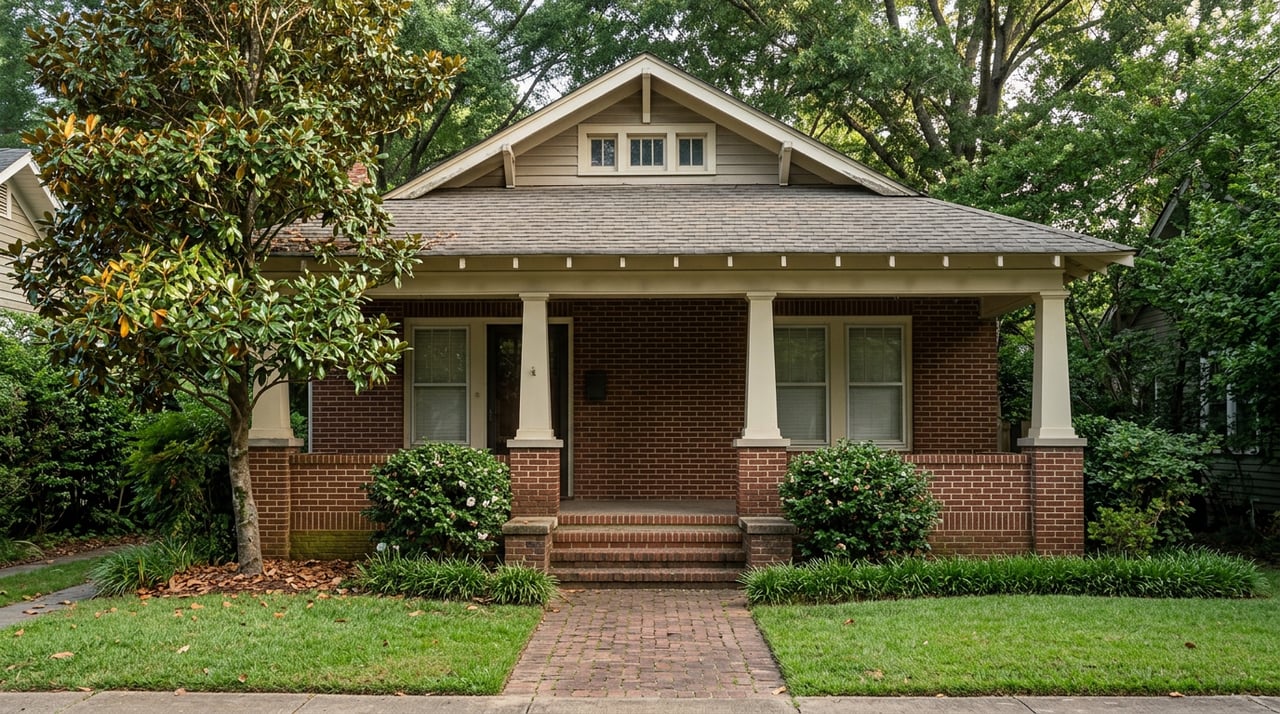
Sellers of century-old Midtown bungalows brace for the wrong thing. They picture the home inspector finding knob-and-tube wiring behind a wall or cast-iron pipe with a slow leak, and they brace for that negotiation. What actually adds weeks to a listing timeline is rarely the inspection. It's the phone call from a contractor explaining that new street-facing windows in the Vollintine-Evergreen Historic District need a Certificate of Appropriateness under VECA's design guidelines before the work begins, and that approval doesn't happen overnight.
If your home sits in the Vollintine-Evergreen Historic District, this is the friction nobody mentions until it's already slowing you down.
The inspection finding you can predict before it happens
Tennessee's disclosure law is built around a narrow standard: sellers disclose what they actually know, not what a professional might eventually find. The Tennessee Residential Property Disclosure Act requires sellers to report known material defects in good faith, but it does not require hiring an inspector or investigating the home's condition before listing. If you've lived in the house and never had a reason to open up a wall, you're not on the hook for what's inside it.
That legal standard runs into a practical reality in Midtown's oldest housing stock. Ask any inspector who works the Vollintine-Evergreen or Central Gardens districts what they expect to find in a home built before 1940, and the answer is close to universal. An inspection expert quoted by the ASHI Reporter put it simply: going into a house built before 1940, "there's going to be evidence of knob and tube wiring." The same goes for cast-iron, galvanized, or in some cases lead plumbing lines original to construction.
None of that means you failed to disclose something. It means the buyer's inspector is going to find something a seller in a 1998 subdivision wouldn't be dealing with, and the negotiation that follows is a known quantity if you plan for it rather than a surprise that derails your closing date. A pre-listing inspection, or at minimum a conversation with your agent about what's typical for a home of this age and district, turns a potential re-negotiation into a line item you priced in from the start.
There's a second disclosure wrinkle specific to a home this old. Federal law also includes lead-related disclosure requirements for sellers. Nearly every home in Vollintine-Evergreen and Central Gardens falls under this rule simply by virtue of when it was built, not because of anything unusual about the specific property.
The paperwork that actually catches sellers off guard
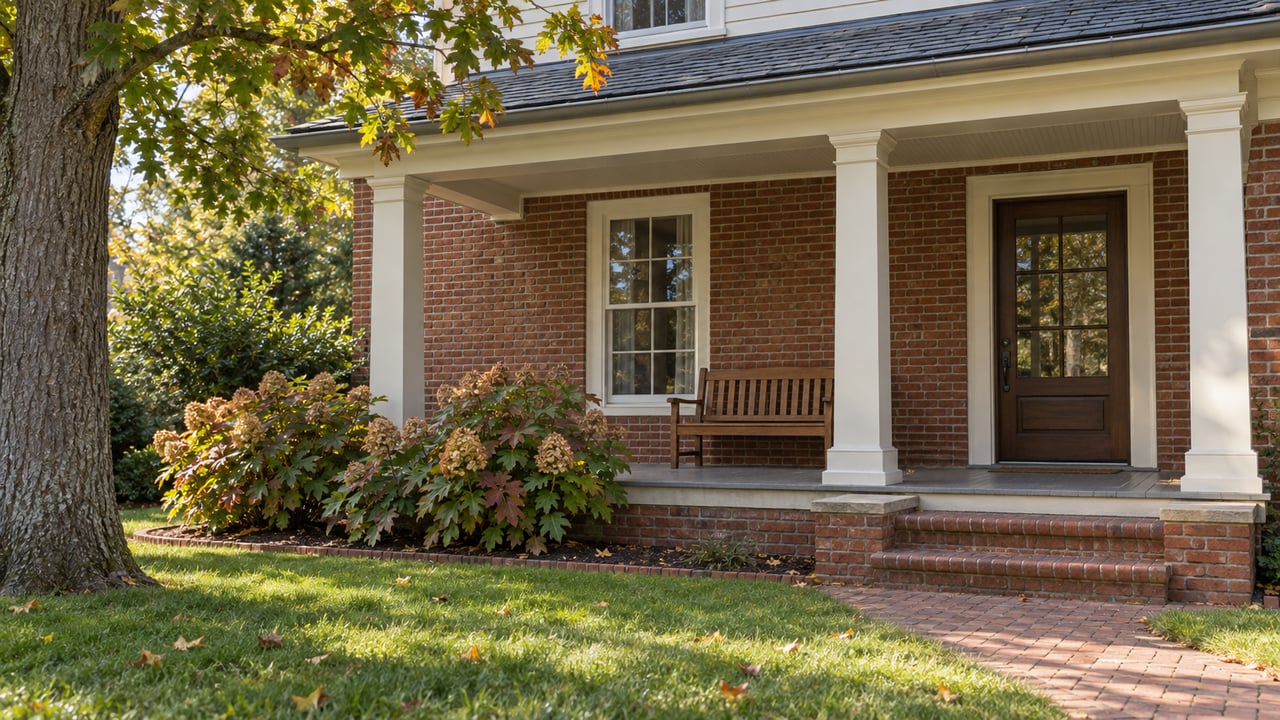
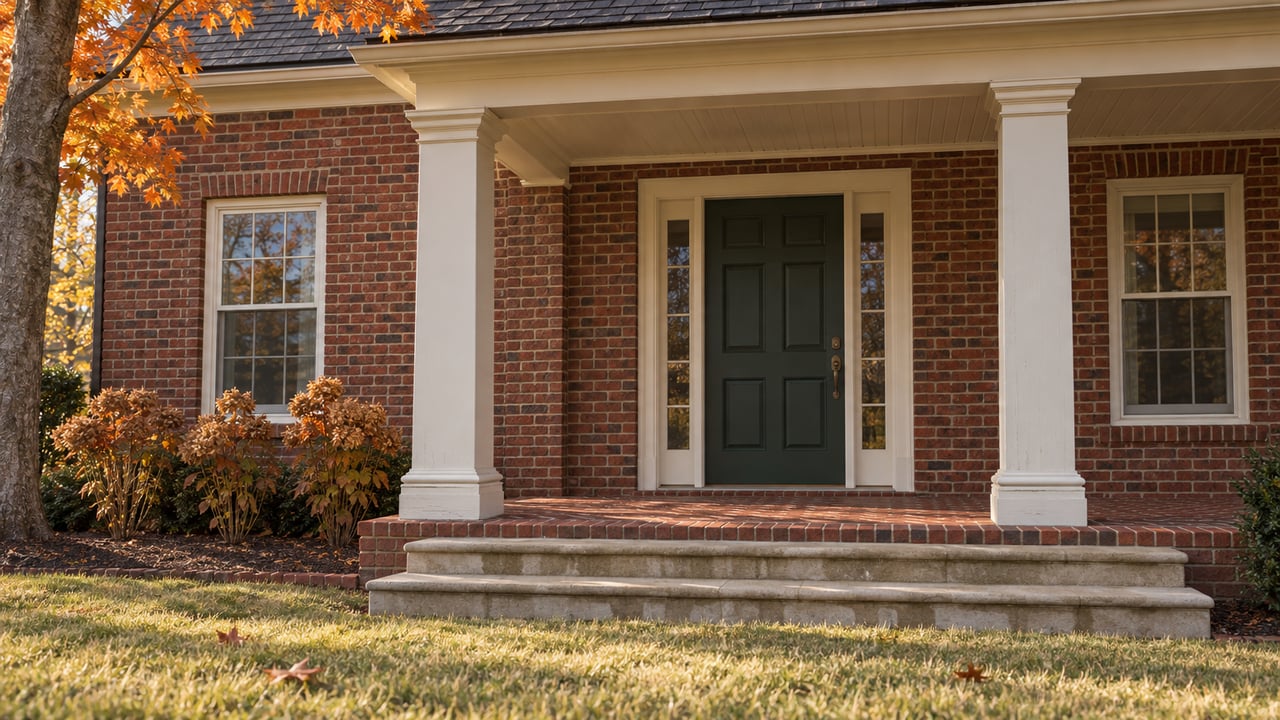
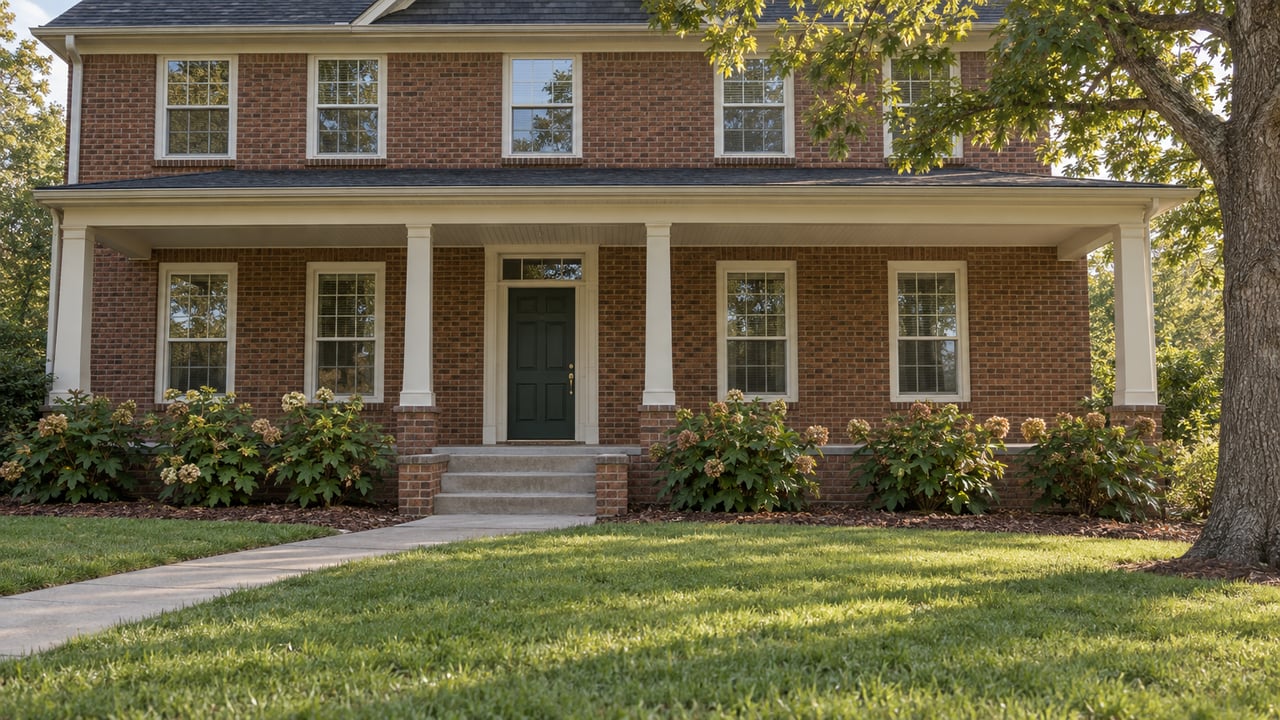
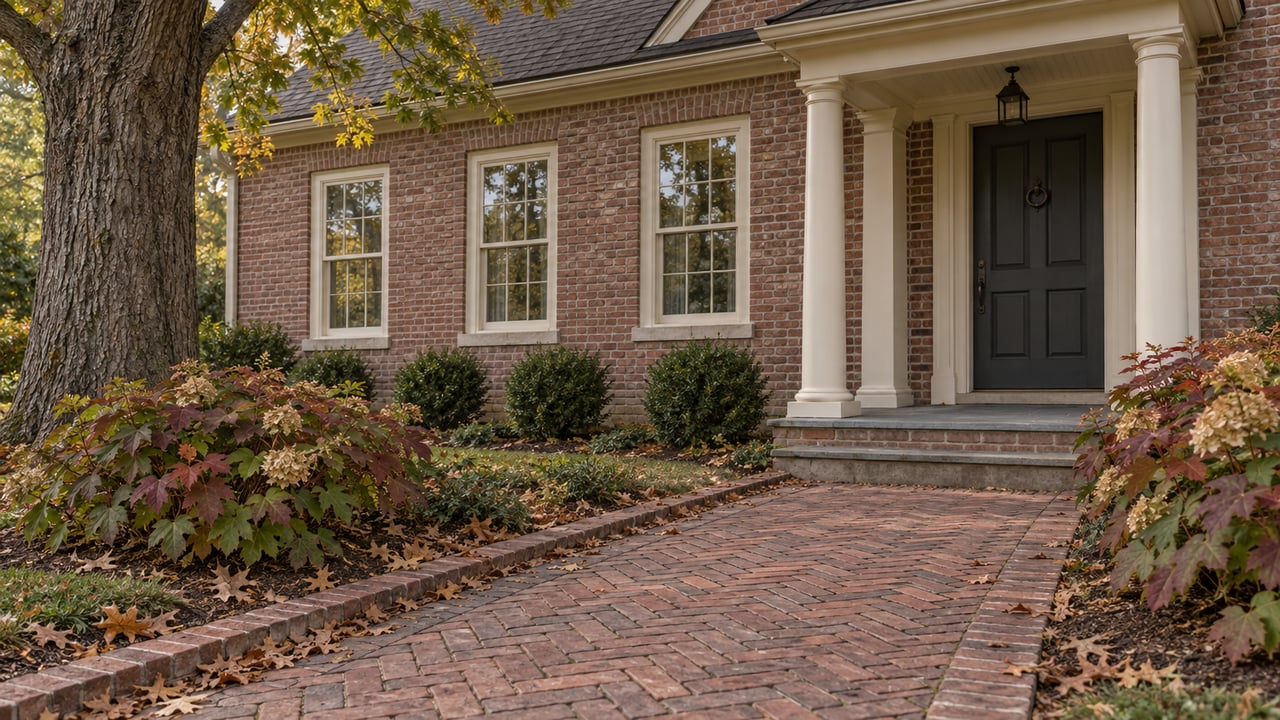
Here's the mechanism that generic seller-prep advice misses entirely. The Vollintine-Evergreen Historic District is a local landmark historic district, which means the Memphis Landmarks Commission reviews any exterior work visible from the street before it happens. New windows. Replacement siding. Repainting brick. Swapping out porch columns. All of it requires a Certificate of Appropriateness, commonly shortened to a COA, before a contractor can pull a permit.
This isn't a formality that rubber-stamps whatever a homeowner wants done. The Shelby County design guidelines for the Vollintine-Evergreen Historic District specify things like which earth-tone colors are appropriate for painting brick on a Craftsman-style home, and they generally require replacement windows to match the original in style, size, and grid pattern rather than allowing a swap to something faster or cheaper. A Shelby County record of a COA approved in the district in August 2025, covering window replacement at a home on Faxon Avenue, shows conditions specifying the exact material and grid pattern the new windows had to match. That's typical of how these approvals work: conditional, specific, and tied to the home's original details rather than the seller's preference.
Vollintine-Evergreen alone covers more than 60 blocks and contains over 3,200 contributing structures, making it one of the largest historic districts of its kind in Memphis. Every one of those addresses is subject to the same review process if exterior work is on the table.
The practical problem for a seller is timing. If you're planning to replace failing windows, repaint peeling brick, or fix a sagging porch before you list, budget for the COA process as its own step, separate from the contractor's schedule. Contact Memphis Landmarks Commission staff early, ideally before you've picked a contractor or ordered materials, because the guidelines shape what you're allowed to buy in the first place. A seller who orders vinyl replacement windows without checking first may find they can't be installed as planned, and now the pre-listing timeline includes a return trip to the design guidelines and a new COA application.
None of this applies to work that isn't visible from the street. Replacing an HVAC system, redoing interior plumbing, or updating a kitchen doesn't trigger Landmarks Commission review. The friction is specifically tied to anything that changes what the house looks like from the sidewalk, which happens to be exactly the kind of cosmetic work sellers often do right before listing photos.
| Pre-listing project | Requires COA review | Why |
|---|---|---|
| Replacing street-facing windows | Yes | Visible exterior alteration |
| Repainting brick exterior | Yes | Must match approved earth-tone palette |
| Replacing porch columns | Yes | Character-defining feature |
| New HVAC system | No | Not visible from street |
| Interior kitchen renovation | No | Not visible from street |
| New roof (same material, same profile) | Ask MLC staff | Case-by-case |
What this means for your actual timeline
The thesis worth sitting with is this: the part of selling a historic Midtown home that people worry about, the inspection, is the predictable part. Cast-iron plumbing and pre-1940s wiring show up often enough that an experienced local agent can help you anticipate the conversation before a buyer's inspector ever walks through the door. The part that actually adds unplanned weeks is regulatory, not structural, and it only affects sellers who plan to touch the exterior before listing.
If your update list before listing is entirely interior, this doesn't touch you. If it includes anything visible from the street, from a repaint to new windows, treat the Certificate of Appropriateness application as the first task on your pre-listing calendar, not something you'll deal with after the contractor is already scheduled. The Vollintine Evergreen Community Association's historic committee and Memphis Landmarks Commission staff can tell you early whether your specific project needs a COA and what the design guidelines require, before you've spent money on materials that don't qualify.
FAQ
Does every home in Midtown require a Certificate of Appropriateness to sell? No. The COA requirement applies to exterior work visible from the street within the Vollintine-Evergreen Historic District. It's not tied to selling the home itself, only to exterior alterations, and plenty of Midtown homes sell every year with no exterior work and no COA involved at all.
Can I sell a historic Midtown home without disclosing every inspection issue an old house might have? Tennessee law requires disclosure of known material defects, not a prediction of everything an inspector might eventually find. You're not required to hire an inspector before listing, but buyers almost always will, and being ready for common findings in pre-1940s homes puts you in a stronger negotiating position than being surprised by them.
How long does a Certificate of Appropriateness typically take? Timelines vary by project scope and whether the work qualifies as a minor or major alteration, but the safest approach is contacting Memphis Landmarks Commission staff or VECA's historic committee as early as possible, ideally before ordering materials, since guidelines can affect what's approved.
Does interior renovation before listing require any historic district approval? No. The Landmarks Commission's review authority is limited to work visible from the street. Interior updates, from kitchens to HVAC systems, fall outside that process entirely.
Selling a century-old home in one of Midtown's historic districts rewards sellers who plan for both kinds of friction, the inspection findings that are common for a home this age and the regulatory step that governs anything you change on the outside. If you're weighing a listing in Vollintine-Evergreen, Central Gardens, or Cooper-Young and want a clearer sense of what your specific home and timeline look like, Ware Jones works these Midtown streets regularly and can walk you through both pieces before you put a sign in the yard.
This article is general information, not legal, tax or financial advice. Consult a qualified professional about your situation.