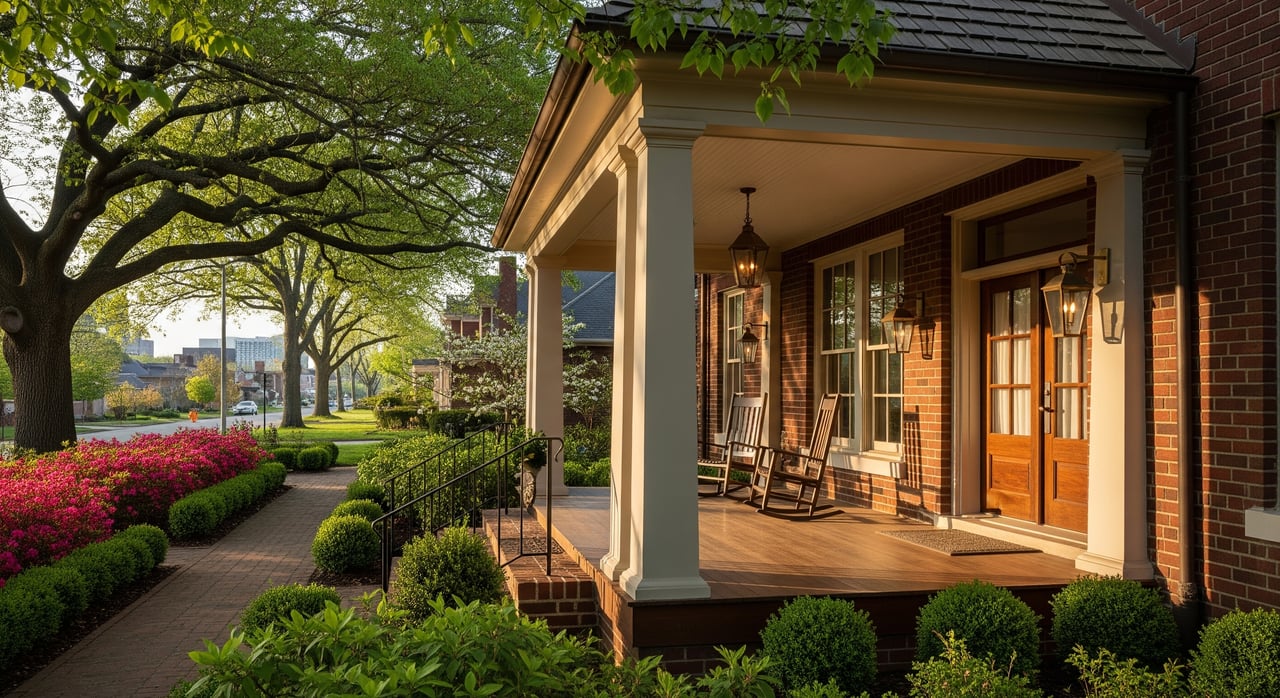
Looking for an in-town neighborhood where porches, parks, and local flavor meet? Midtown Memphis blends historic streets, indie cafés, and a lively arts scene with quick access to downtown and major employers. If you want a central address with character, community events, and a mix of housing options, Midtown could be a fit. This guide walks you through daily life, homes, commutes, and practical tips so you can picture living here. Let’s dive in.
Midtown at a glance
Midtown sits east of downtown and west of the University of Memphis corridor. Locals often include Cooper-Young, Overton Square and Overton Park, Central Gardens, Crosstown, Vollintine-Evergreen, and Annesdale-Snowden when they say “Midtown.” Boundaries are informal, and each pocket feels a little different.
You’ll find an eclectic mix of residents, from long-time homeowners and families to young professionals, artists, and students. Neighborhood associations are active, and the overall vibe is creative and community-minded. Expect tree-lined streets, sidewalks, and a steady rhythm of neighborhood events.
Daily rhythms and vibe
Morning often starts with dog walkers and coffee runs as parents bike or stroll kids to nearby schools. Daytime brings a mix of downtown commuters, medical and university staff, and remote workers posted up in cafés or coworking spaces at places like Crosstown Concourse. Evenings focus on neighborhood dining, low-key live music, and outdoor events. Weekends might include a walk in Overton Park, a free concert at the Levitt Shell, or browsing a local market.
Walkability varies by block. Commercial districts such as Cooper-Young and Overton Square are very walkable, while some stretches are easier by car. You can run many daily errands nearby, though transit and bike lanes are still building out in parts of Midtown.
Housing styles and options
Historic single-family homes
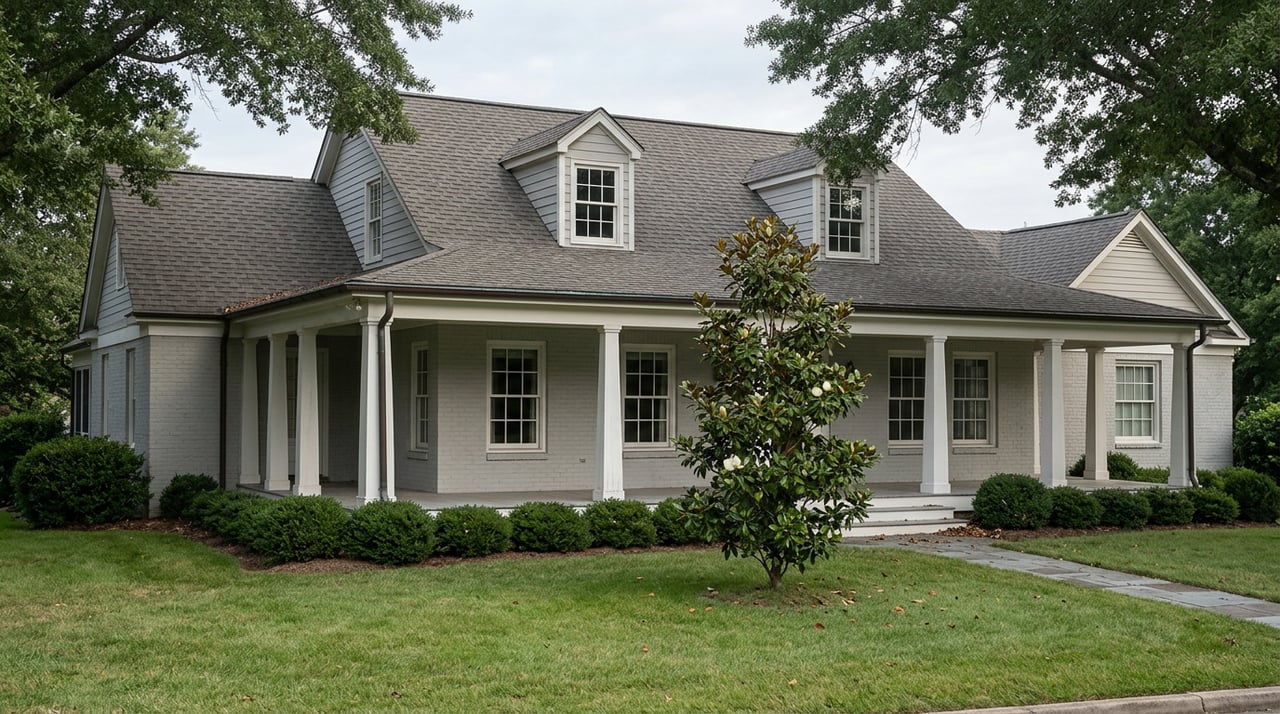
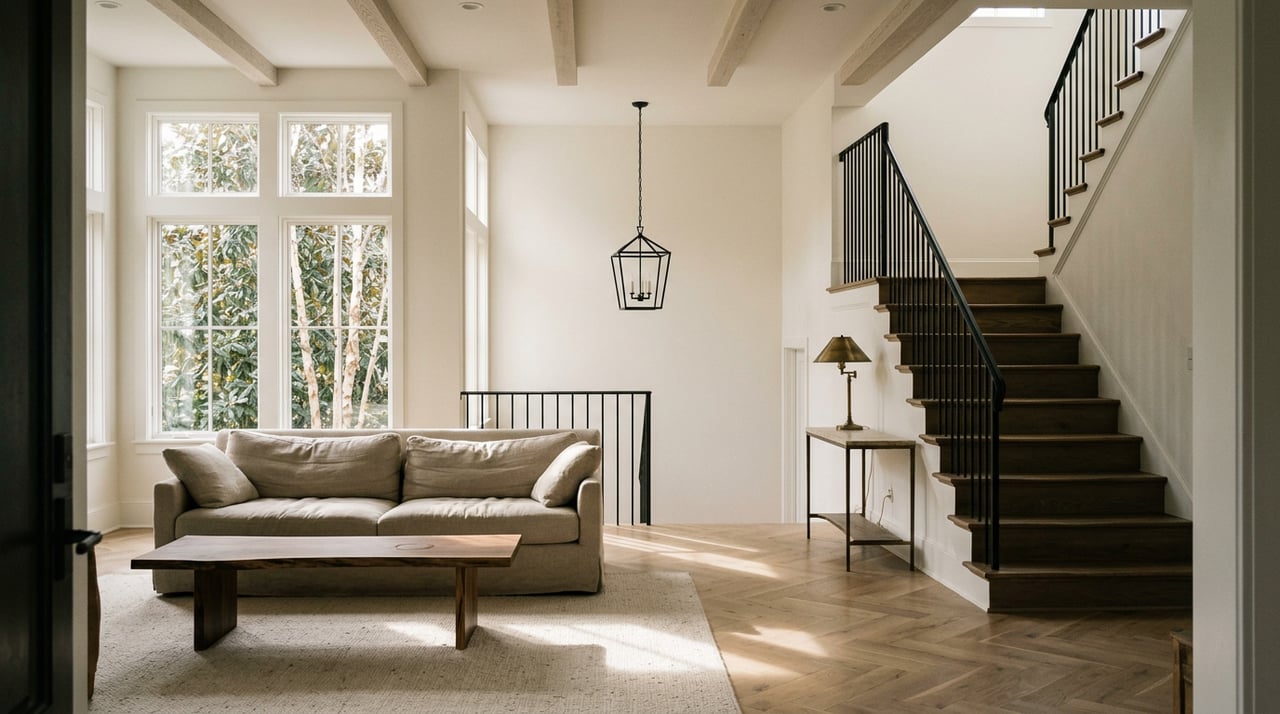
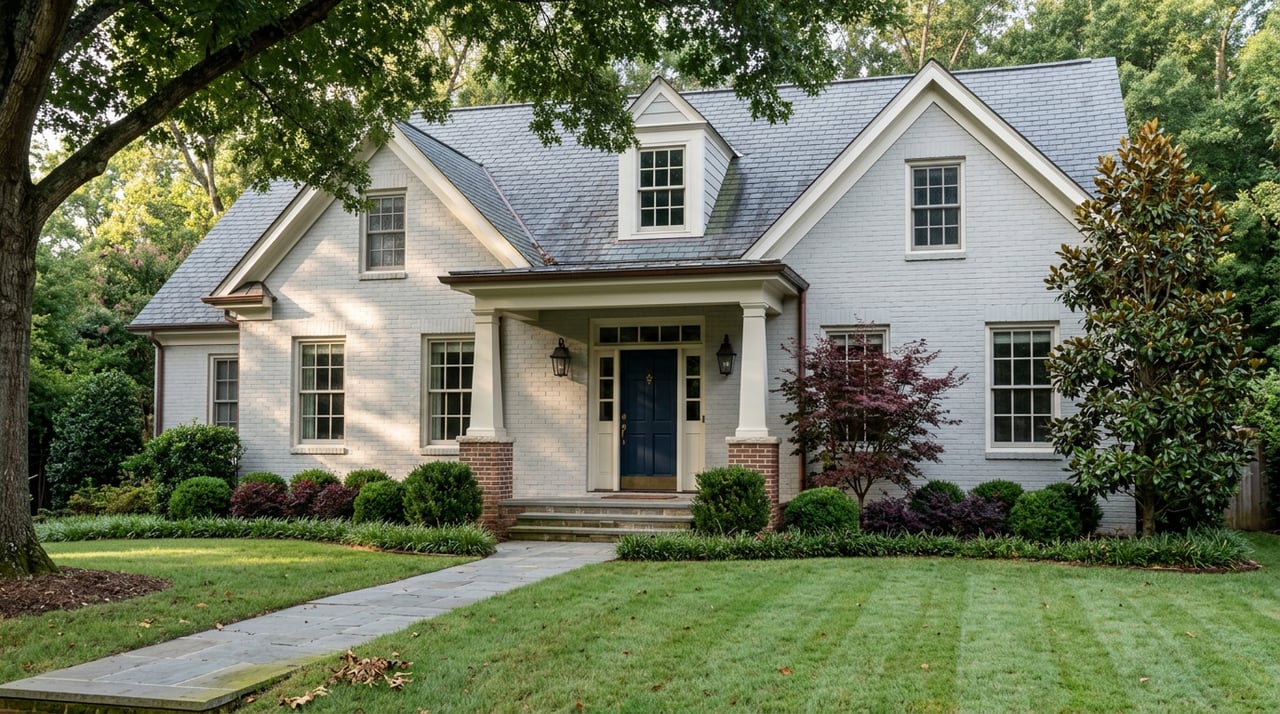
Midtown’s character shows up in its architecture. You’ll see Craftsman bungalows, Colonial Revival, Tudor Revival, and American Foursquares, especially in Central Gardens, Annesdale-Snowden, and blocks near Overton Park. Many homes have been renovated, and others are ripe for updates. If you love original millwork, porch columns, and tall windows, this is your scene.
Cottages and smaller homes
Shotgun houses and early-20th-century cottages appear in several pockets, sometimes as starter homes or rentals. Some have had thoughtful updates, while others remain more original. You can often find a mix of price points within a few streets of each other.
Duplexes, triplexes, and apartments
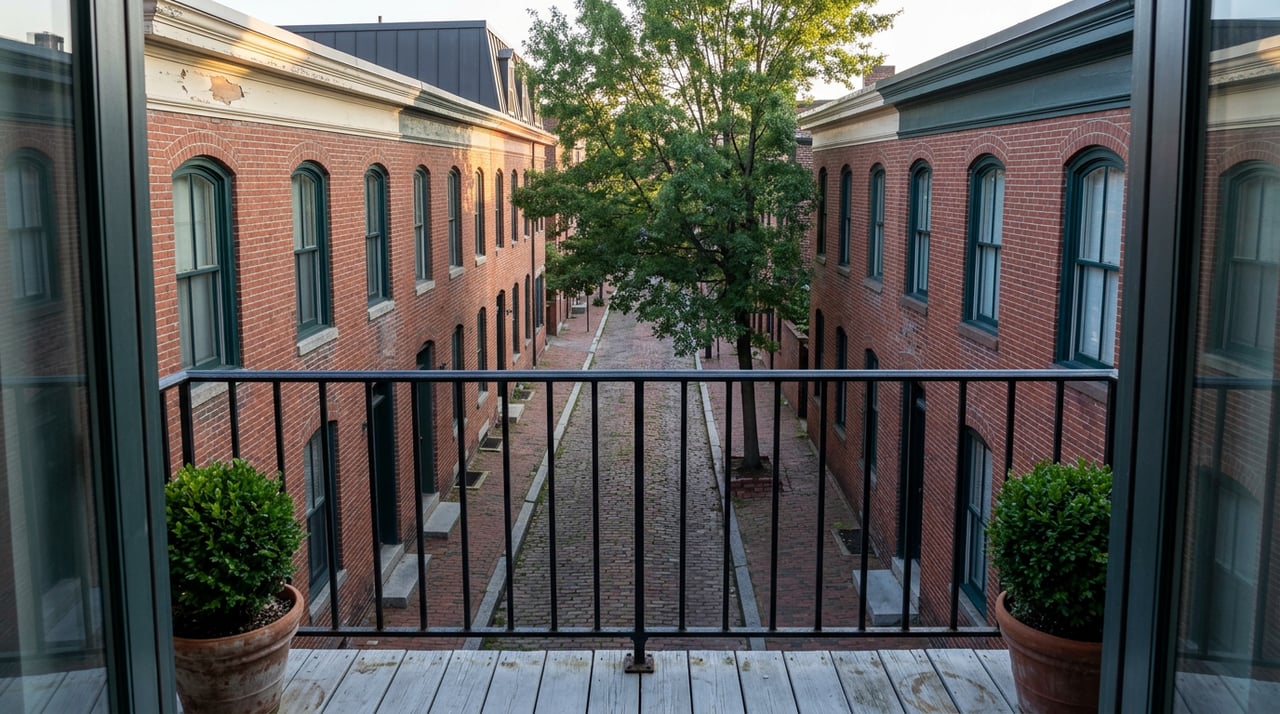
Older duplexes, small apartment buildings, and converted homes expand rental choices. You’ll also find modest purpose-built multifamily properties. These options appeal to renters, first-time buyers, and investors.
New infill and adaptive reuse
Modern infill pops up on vacant lots and alongside older buildings. The standout is Crosstown Concourse, a major adaptive reuse that combines residences, offices, retail, and community services under one roof. It has become a neighborhood anchor and a convenient place to live, work, and meet.
What to expect on price and pace
Prices in Midtown are generally higher than many outlying Memphis neighborhoods because of the central location, historic homes, and walkable pockets. That said, they are still lower than similar in-town districts in larger U.S. cities. Cooper-Young and Central Gardens often command higher prices, while Crosstown appeals to buyers and renters who want new amenities in a central spot.
The market includes first-time buyers, move-up buyers seeking larger historic homes, and investors. You’ll find renovated homes ready to go and properties that need work. If you want character, be ready to act when the right house comes up.
Renovation and maintenance basics
Historic homes bring charm and responsibility. Common items to plan for include older electrical and plumbing, aging HVAC systems, foundation settling, and potential lead paint or asbestos in very old structures. If the property sits in a local historic district, exterior changes may require review.
Use a thorough inspection, get bids from contractors familiar with historic homes, and budget for ongoing upkeep. Expect a mix of move-in-ready homes and fixer-uppers, often on the same block. Preservation resources and experienced local trades can make upgrades smoother.
Parks, culture, and neighborhood life
Overton Park and cultural anchors
Overton Park is Midtown’s signature green space, with old-growth forest, walking trails, and community programming stewarded by the Overton Park Conservancy. Within the park, you can visit the Memphis Zoo and see exhibits throughout the year. The Memphis Brooks Museum of Art has been part of the park’s cultural footprint as well. The Levitt Shell hosts frequent free concerts that draw neighbors with picnic blankets and kids in tow.
Dining, markets, and music
Midtown’s restaurant and bar scene leans independent and neighborhood-focused. You’ll find casual spots for weeknight dinners, coffee shops with laptop space, and venues that book local musicians. Annual events like the Cooper-Young Festival and smaller block parties add community flavor.
Getting around
Driving and commute times
Midtown offers quick access to downtown and I-240 or I-40 for trips across the metro. Outside heavy rush hours, a downtown commute often runs under 15 minutes by car. Getting to suburban job centers like East Memphis or Germantown typically takes about 20 to 35 minutes depending on traffic.
Memphis International Airport sits south of Midtown. Plan for roughly 20 to 35 minutes by car, with timing dependent on your route and time of day.
Public transit and biking
The Memphis Area Transit Authority operates bus service on Midtown corridors such as Poplar and Central. Service is available but less frequent than in larger transit-focused cities. Check current routes and schedules with MATA and plan buffer time for transfers.
Cycling routes are improving, though infrastructure varies by street. Your bike commute will depend on comfort with urban traffic and route planning. For a quick snapshot of walk and transit convenience, explore your address on Walk Score.
Practical considerations
Safety and street-by-street nuance
Like many urban areas, Midtown’s safety profile varies by block and over time. To make a confident decision, review local crime mapping and neighborhood updates, and visit target streets at different times of day. For official resources, start with the Memphis Police Department.
Flood risk, insurance, and taxes
Midtown is not in the Mississippi River floodplain, but heavy rains can cause localized issues in low-lying spots. Review seller disclosures, ask about drainage, and verify flood risk before you buy. Insurance premiums and property taxes depend on factors like age, construction type, and updates; the Shelby County Assessor of Property provides parcel and tax history.
Schools and enrollment
Midtown is served by Shelby County Schools and a range of charter and magnet programs. Options and ratings vary by address, and boundaries can change. Use official district tools at Shelby County Schools and parent-oriented resources like GreatSchools to verify current information for your specific location and grade levels.
Is Midtown a fit for you?
Picture two quick scenarios:
You buy a Craftsman bungalow in Cooper-Young. Your weekday starts with coffee from a nearby café, a bike ride to Overton Park on weekends, and dinner out within a few blocks. You budget for ongoing maintenance and hire a local pro to update the HVAC.
You rent an apartment at Crosstown. You work some days from a shared workspace, walk downstairs for lunch, and meet friends at an on-site event. You drive to downtown a few days each week and catch a bus on Poplar when it lines up with your schedule.
If one of these sounds like your lifestyle, Midtown likely fits your priorities for community, access, and character.
Smart next steps
- Walk the pockets that interest you at morning, midday, and evening.
- Map your daily needs, including commute, groceries, childcare, and parks.
- Compare renovated homes with those that need work, and price out updates.
- Verify school options and enrollment boundaries for your address.
- Review parcel data and tax history with the Shelby County Assessor.
- Check bus routes with MATA and test your commute.
- Talk with a neighborhood-savvy agent who can surface homes before they hit the broader market and guide you block by block.
Ready to explore Midtown’s streets, porches, and parks in person? Connect with a Memphis neighborhood expert at Ware Jones for a tour and tailored search.
FAQs
What is the overall vibe in Midtown Memphis?
- Midtown feels eclectic and community-oriented, with historic streets, indie businesses, and frequent neighborhood events that create an active, lived-in feel.
How walkable is Midtown Memphis for daily errands?
- Walkability is strong near commercial hubs like Cooper-Young and Overton Square, while other areas rely more on driving; check specific addresses with Walk Score.
What housing styles are common in Midtown Memphis?
- You’ll see Craftsman bungalows, Colonial and Tudor Revival homes, American Foursquares, smaller cottages, and a mix of duplexes, small apartments, and new infill.
How long are commutes from Midtown to major job centers?
- Outside peak hours, downtown is often under 15 minutes by car, and East Memphis or Germantown typically ranges from about 20 to 35 minutes.
How can I research public schools for a Midtown address?
- Use official tools from Shelby County Schools for boundaries and enrollment details, and pair that with parent insights on GreatSchools for additional context.
How do I check safety on a specific Midtown block?
- Review official resources from the Memphis Police Department and community crime mapping tools, then visit at different times to gauge traffic and activity patterns.