Moving to a new city often comes with one big question: What will day-to-day life actually feel like once the boxes are unpacked? If you are considering Lakeland, Tennessee, you are likely looking for more than a home. You want a community that fits your routine, your commute, and the way you like to spend your free time. This guide will help you get a practical feel for everyday life in Lakeland, from parks and errands to housing patterns and regional access. Let’s dive in.
Table of Contents
- 1. Lakeland at a Glance
- 2. Daily Life Feels Suburban and Connected
- 3. Outdoor Spaces Are Part of the Routine
- 4. Shopping and Dining Are Practical and Growing
- 5. Housing Feels Mostly Single-Family and Owner-Oriented
- 6. Commutes Are Manageable for Many Buyers
- 7. What New Residents Often Notice First
- 8. Is Lakeland a Good Fit for Your Lifestyle?
- 9. FAQs
Lakeland at a glance
Lakeland is a Shelby County city with an estimated 14,416 residents and covers 23.49 square miles, according to the U.S. Census Bureau QuickFacts for Lakeland. That scale gives it more of a suburban feel than a dense urban one.
Current census data also shows an owner-occupied housing rate of 79.2%, a median household income of $116,250, and a mean commute to work of 25.7 minutes. Together, those numbers point to a community where many residents put down roots and balance neighborhood living with access to the broader Memphis area.
Daily life feels suburban and connected
For many new residents, Lakeland offers a quieter home base without feeling cut off. City planning documents highlight access to major roads including I-40, Highway 385, Highway 70, Highway 64, Germantown Parkway, Houston-Levee/Canada Road, Highway 196, and Macon Road, while the Census reports an average commute of 25.7 minutes.
In practical terms, that means your daily routine may feel less hurried at home while still giving you straightforward access to jobs, shopping, and entertainment across the metro. If you want suburban space with regional convenience, Lakeland is set up well for that lifestyle.
Outdoor spaces are part of the routine
One of the clearest themes in Lakeland is how much outdoor space shapes daily life. The city’s parks, trails, lake setting, and recreation programming make it easy to build fresh air and movement into your week.
International Harvester Managerial Park
The city’s signature park is International Harvester Managerial Park, a 65-acre park with a five-acre fishing lake, picnic areas, the LAMP Amphitheatre, and 2.8 miles of walking, hiking, and mountain-biking trails. It also includes the Lakeland Senior Center and the International Harvester Managerial Clubhouse.
For a new resident, that means one place can serve a lot of different needs. You might head there for a walk, spend time by the lake, attend an event, or simply use it as a regular part of your weekend routine.
Neighborhood parks add convenience
Lakeland also has smaller parks that support everyday use. Lakeland City Hall Park includes a playground and paved walking or jogging trail, while Windward Slopes Park offers a short paved trail, water misters, and tennis courts. Zadie E. Kuehl Memorial Park adds a dog park and walking or jogging trail.
These kinds of amenities matter because they make it easier to stay active close to home. You do not always need to plan a major outing to enjoy the outdoors.
Trails, lakes, and waterways shape the setting
Lakeland’s natural setting is tied closely to water. The city’s watershed materials identify Garner Lake, also called Lakeland Lake, as the headwaters of Scotts Creek and emphasize the role of creeks, lakes, and drainage corridors in the community.
That helps explain why Lakeland often feels greener and more connected to natural features than a simple road map might suggest. For many residents, that setting becomes part of what makes the city feel distinct.
Recreation goes beyond the parks
The city’s Parks and Recreation Department offers family and children’s activities, senior programming, and youth and adult sports. The city’s 2025 master plan update also notes 4.2 miles of walking and biking trail across the system.
Lakeland also hosts special events such as Arbor Day tree giveaways, Easter Hop and Shop, dog adoption programming, and community-centered social events. If you are moving to Lakeland and want ways to plug in locally, these city-run activities can help you get familiar with the rhythm of the community.
Shopping and dining are practical and growing
Lakeland does not center around a traditional downtown. Instead, shopping and dining tend to follow major road corridors, which shapes how most residents run errands and choose where to eat.
A city retail study found about 25 retail businesses in Lakeland and noted grocery, drug, fast-food, and some sit-down restaurant activity. The same study also identified a gap in full-service dining, which is useful context if you are trying to picture your regular routine.
What that means for errands
In everyday terms, Lakeland can cover many basic needs locally. You may be able to handle quick grocery stops, pharmacy runs, and casual meals without going far.
At the same time, many residents will likely continue using the broader Memphis area for larger shopping trips and more restaurant variety. That pattern fits Lakeland’s role as a suburban community with good regional access rather than a fully built-out urban retail center.
The Lake District is a key growth area
A major part of Lakeland’s long-term vision is The Lake District, a 160.5-acre mixed-use development planned with a town center, retail, restaurants, hotels, office uses, housing, and other components. A later city update still referenced active discussion and site planning related to the project.
For new residents, that signals continued attention to local convenience and mixed-use growth. It is worth understanding not as a promise of any one specific outcome, but as an indicator of the city’s development direction.
Housing feels mostly single-family and owner-oriented
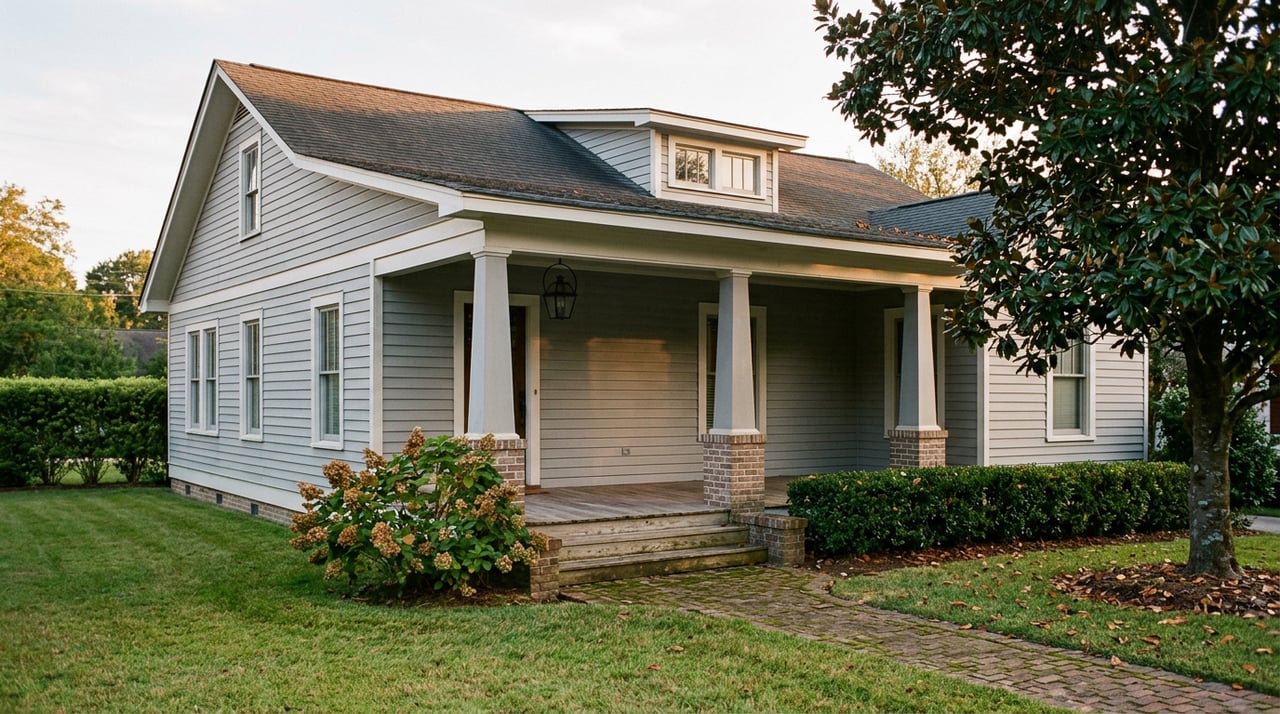
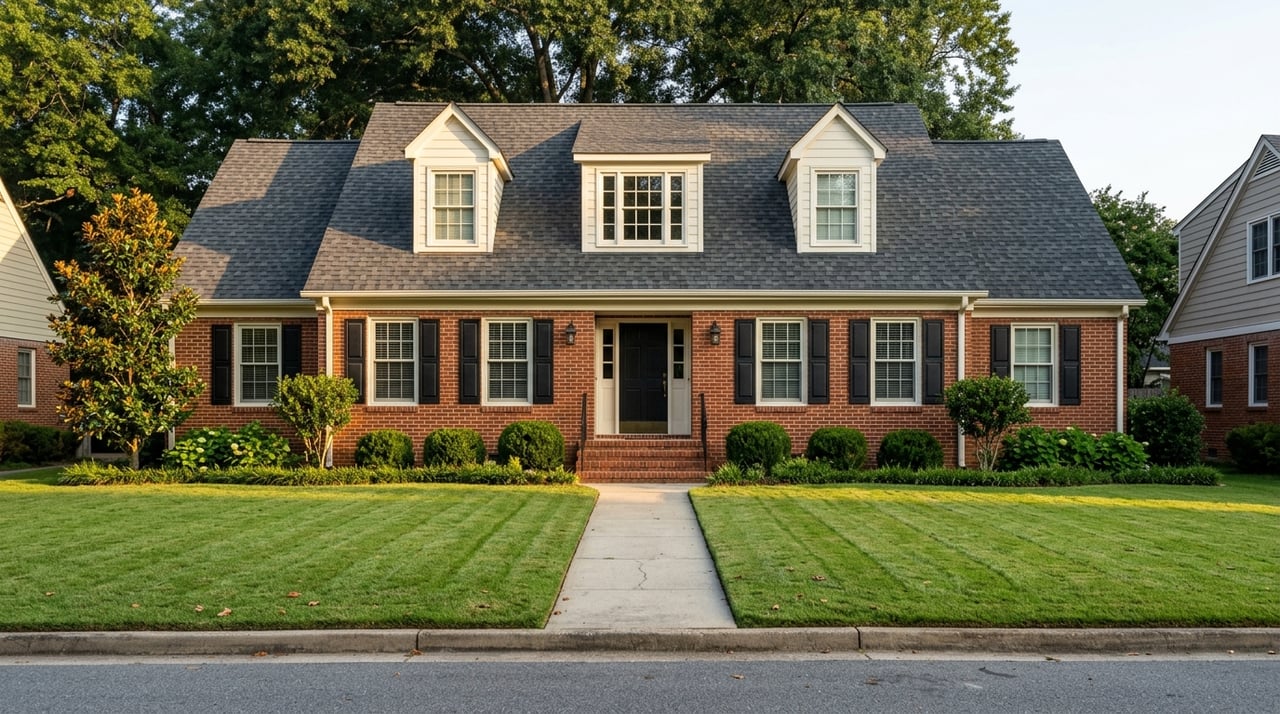
If you are moving to Lakeland, the housing pattern will likely feel familiar if you prefer a suburban setting. Census data shows a median value of owner-occupied homes of $388,900 and a median gross rent of $1,755, alongside the city’s high owner-occupied rate.
Those figures suggest a market that leans toward long-term homeownership, even though housing options are not limited to one format. As always, exact price points, home styles, and availability can vary by property and location.
The city planning framework supports walkability and design
Lakeland’s land development regulations favor walkable communities, conservation of natural resources, and high-quality design. The city’s broader planning approach also connects land use, transportation, parks, recreation, and natural resources.
That matters because it shapes how growth may look and feel over time. For buyers, it offers useful insight into the city’s priorities beyond any single listing.
Home types include more than one option
Lakeland is still best described as mostly single-family and suburban, but city zoning and planning documents show some variety. The R3 district allows single-family homes and suburban cottage development, while The Lake District plan included townhomes, live/work units, assisted living, and manor house units.
If you are relocating, that mix can be helpful. You may find traditional detached homes, but there are also signs of more flexible housing formats in selected planned areas.
Commutes are manageable for many buyers
Commute time can shape your quality of life as much as the home itself. In Lakeland, the mean travel time to work is 25.7 minutes, according to the U.S. Census Bureau.
That number will not predict every person’s drive, of course, but it does offer a useful snapshot. Combined with the city’s access to I-40 and other major routes, Lakeland can work well if you want a suburban home base and regular access to destinations around Memphis.
What new residents often notice first
Once you look past the map, Lakeland’s everyday appeal comes down to a few practical qualities. It offers space, a park-driven outdoor lifestyle, an owner-oriented housing profile, and access to major regional roads.
It also feels like a city that is still shaping parts of its future. Growth areas like The Lake District, ongoing parks programming, and a connected road network all point to a community that blends established suburban living with continued development.
Is Lakeland a good fit for your lifestyle?
Lakeland may be worth a closer look if you want:
- A suburban setting rather than a dense urban core
- Regular access to parks, trails, and outdoor amenities
- An owner-oriented housing market with many single-family homes
- A manageable commute pattern for the Memphis area
- Local convenience for day-to-day needs with metro access for more variety
The best way to know whether Lakeland fits your lifestyle is to connect the data with your actual routine. Where you work, how often you commute, what kind of home you want, and how you spend your weekends all matter.
If you are thinking about a move to Lakeland, Ware Jones can help you explore neighborhoods, compare housing options, and make sense of how this suburb fits into the broader Memphis market.
FAQs
What is everyday life like in Lakeland, Tennessee?
- Everyday life in Lakeland is generally suburban, with a mix of residential neighborhoods, local parks, community events, and convenient access to major roads that connect you to the Memphis area.
What outdoor amenities are available in Lakeland?
- Lakeland offers parks, trails, a fishing lake, playgrounds, tennis courts, a dog park, and recreation programming, with International Harvester Managerial Park serving as one of the city’s best-known outdoor spaces.
What kinds of homes are common in Lakeland?
- Lakeland is mostly a single-family, owner-oriented housing market, though city planning documents also point to some townhome, cottage, and mixed-use residential options in certain areas.
Is Lakeland convenient for commuting to the Memphis area?
- Lakeland has a reported mean commute time of 25.7 minutes and access to major regional routes like I-40 and Highway 385, which can make travel around the metro more straightforward for many residents.
Are shopping and dining options available in Lakeland?
- Lakeland has local options for everyday errands and casual dining, but many residents may still look to the broader Memphis area for larger retail centers and a wider range of restaurants.