Love the idea of coming home to a brick-and-beam loft with river views and walkable nights out, but not sure how condo buying works downtown? You are not alone. Condos and lofts come with different rules, costs, and lender checks than single-family homes, and the details matter for your budget and resale. This guide breaks down what to expect in Downtown Memphis, from HOA dues and reserves to parking, flood maps, and financing so you can shop with confidence. Let’s dive in.
Downtown Memphis condo styles
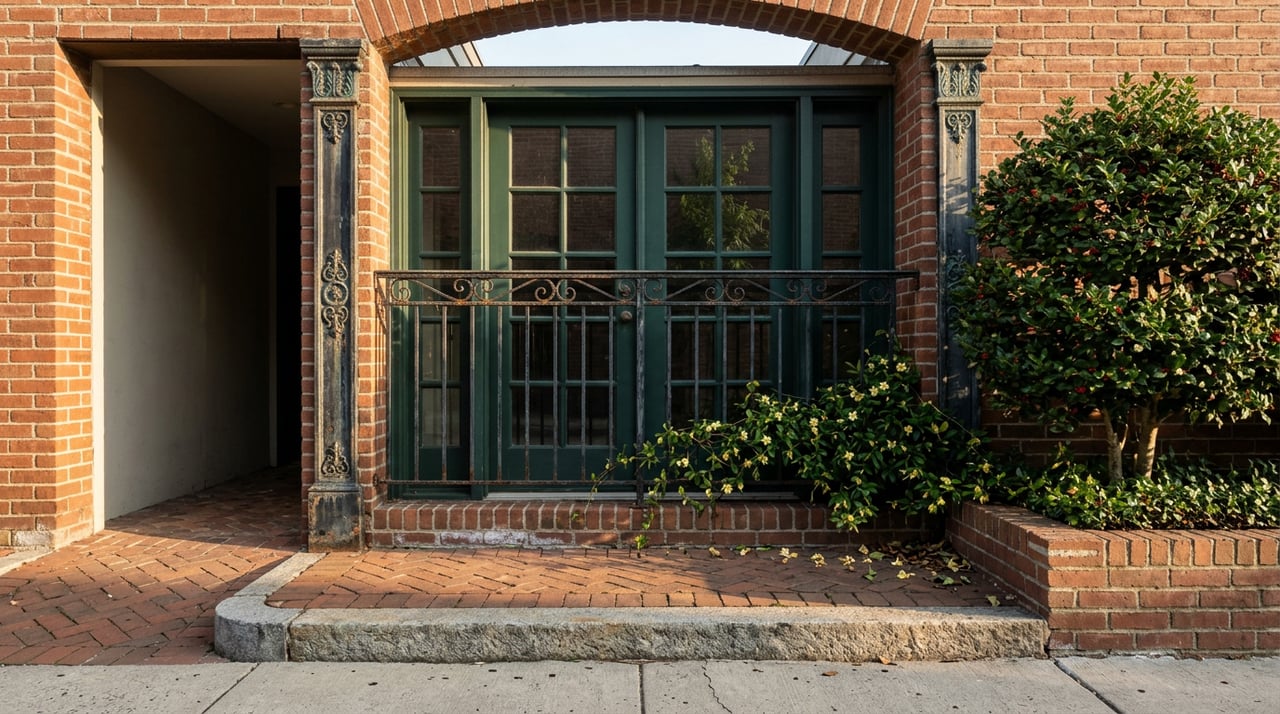
Downtown offers a mix of historic warehouse conversions and newer mid-rise and high-rise buildings. In South Main, many lofts started life as early 1900s industrial buildings with tall windows, exposed brick, and open floor plans. The district’s adaptive-reuse history is documented by the South Main Artspace project, which highlights the area’s creative redevelopment and warehouse character (see the South Main Artspace overview).
Along the riverfront, you will also see infill projects from the late 20th century and 2000s, plus large mixed-use redevelopment that shapes neighborhood energy. Projects such as One Beale illustrate how riverfront investment influences demand and lifestyle nearby (learn more about One Beale’s background).
Buyer demand is often a mix of locals seeking walkable, low-maintenance living and investors where building rules allow. Prices vary by building, size, condition, and amenities. Recent local snapshots show many downtown condos and lofts trading in the low- to mid-six-figure range, with days on market moving week to week.
HOA/condo dues explained
Monthly condo association dues fund shared building costs. In most Downtown Memphis buildings, dues typically cover a combination of:
- Common-area maintenance and cleaning
- Building insurance on the structure (master policy)
- Elevator and mechanical service
- Management fees and reserves for big repairs
- Security and amenities, and sometimes some utilities if master-metered
What is included varies by building, and it directly affects your monthly budget. Nationwide, many communities land in the $100 to $400 per month range, but buildings with extensive amenities or older systems can be higher. The key is to review the association’s budget to see precisely what your fee covers and how reserves are funded (here is a helpful overview of condo financials).
Reserves and assessments in Tennessee
Condo associations must plan for major work like roofs, waterproofing, and elevators. Tennessee strengthened standards with a recent law that requires many condominium boards to obtain and keep a professional reserve study updated on a set schedule. The statute outlines timing rules for associations that completed studies before or after January 1, 2023 (read the Tennessee reserve study requirement).
Why this matters to you: a current reserve study and healthy reserve balance reduce the risk of a special assessment. A special assessment is a one-time charge to owners when reserves fall short. Before you buy, ask how often assessments have been levied and whether any are planned for near-term projects. Industry data shows that deferring capital planning tends to raise long-term costs for owners, which is why reviewing reserves is essential (see industry perspective on capital planning).
Insurance you will carry
The association’s master policy typically insures the building shell and common areas. You will carry an HO-6 policy for your unit’s interior finishes, personal property, and liability. Confirm what the master policy covers and the size of any master deductible, since large deductibles can lead to owner assessments after a claim (learn the master policy and HO-6 basics).
If your building or garage sits in a FEMA Special Flood Hazard Area, your lender will usually require flood insurance. Riverfront proximity makes this a must-check item. You or your lender can verify status on FEMA’s Map Service Center and then price coverage accordingly (check the FEMA flood map viewer).
Financing and project eligibility
Condo financing adds a layer most single-family buyers never see. Lenders that sell loans to Fannie Mae and Freddie Mac must confirm the building meets project standards. That review looks at owner-occupancy, budget health and reserves, delinquencies, litigation, and major repairs.
- Fannie Mae’s Selling Guide outlines documentation, budget expectations, and review paths for condominium projects. If a project is ineligible, buyers may face limited loan options or higher down-payment requirements (review Fannie Mae’s project standards).
- Freddie Mac provides guidance on condo underwriting, including reserve funding and project-level risks that can affect loan availability (see Freddie Mac’s condominium mortgage FAQ).
A practical takeaway: strong reserves and clear financials help future buyers secure common loan types, which supports your resale value. During your loan process, your lender will request a project questionnaire and budget. Ask them early if the building has known eligibility issues, and build that answer into your decision.
Parking, amenities, and daily life
Parking can be deeded, assigned, or leased. Some garages sit within the building, others are in nearby structures or surface lots. A deeded or assigned space can be a meaningful convenience and a value driver in a walkable core. Confirm whether your unit includes a space, whether it transfers with the deed, and if there are separate fees or a waitlist.
Amenities vary widely. Rooftop decks, pools, fitness centers, staffed lobbies, and onsite management are popular downtown. These features enhance daily life, yet they also increase operating costs, which show up in monthly dues. Balance what you will use with what you will pay.
For guests and secondary vehicles, check street rules around your block. The City of Memphis offers guidance on residential permits and local parking restrictions, which can shape how you and your visitors park day to day (see the City’s residential permit guidance).
Resale drivers to watch
Not all condos appreciate the same. A few factors commonly shape value and liquidity in Downtown Memphis:
- HOA fees and their trend line. Very high or fast-rising dues can narrow your future buyer pool.
- Building age and maintenance history. Older conversions are wonderful, but deferred roof, waterproofing, or elevator work can lead to large projects. The reserve study is your best window into near-term capital needs (review the Tennessee reserve study law).
- Financing eligibility. Projects that fail Fannie or Freddie standards can take longer to sell due to fewer loan options for buyers (check Fannie Mae’s project standards).
- Parking. Deeded or reliably assigned parking often adds value in dense, walkable areas.
Your due diligence checklist
Use this list once you are under contract, and ask for these items early so you have time to review:
- Resale certificate or estoppel letter that confirms dues, any arrears, known or pending assessments, and unit-specific obligations.
- Governing documents: Declaration, Bylaws, and Rules and Regulations. Look for use restrictions and the rental policy.
- Association budget and financials for the past 2 to 3 years, plus the current reserve balance and line-item reserve contributions.
- Most recent reserve study. Confirm the date, author, and whether the board is funding reserves according to the plan (read the Tennessee requirement).
- Board meeting minutes for the past 6 to 24 months to spot upcoming projects, vendor disputes, or litigation.
- Certificate of insurance for the master policy, including the deductible level and coverage type (review HO-6 and master policy basics).
- Owner-occupancy and rental percentage. These can affect financing options and resale.
- Written statements on any pending litigation or special assessments (see Freddie Mac’s condo mortgage FAQ).
- Parking rights in writing. Confirm whether your space is deeded, assigned, or leased, and whether fees apply.
- Physical inspection. For older buildings, consider an engineer to review moisture management, balconies, roof, and elevator systems.
- Flood zone status. Ask your lender early if flood insurance will be required and price it into your monthly cost (check FEMA’s map viewer).
Step-by-step path to a confident purchase
- Set your monthly target by factoring mortgage, taxes, HOA dues, and likely insurance.
- Focus your search by building type and parking preference, then tour units at different dues levels to see how amenities change costs.
- Before you write an offer, ask your lender about the building’s project eligibility and any known issues.
- Go under contract with timelines that allow you to review the resale packet, budget, reserve study, and minutes.
- Use inspection results and association documents to negotiate repairs or credits if needed.
- Finalize your HO-6 and any required flood insurance, then close with a clear picture of near-term building projects.
Talk to a local guide
Buying a Downtown Memphis condo or loft is as much about the building as it is about the unit. With the right questions, you can secure a great home and protect your resale. If you want a walkable lifestyle and a clear plan for the details, connect with a neighborhood-focused advisor who knows these buildings and budgets inside and out. Ready to start? Connect with a Memphis neighborhood expert at Ware Jones.
FAQs
What does a Downtown Memphis condo HOA fee usually cover?
- Dues often fund building insurance on the structure, common-area maintenance, elevators and mechanicals, management, reserves for big repairs, and sometimes some utilities if master-metered.
How do Tennessee’s reserve study rules affect me as a buyer?
- The law requires many condo boards to maintain a current professional reserve study, which gives you better visibility into long-term projects and helps lenders evaluate building health.
What is a special assessment in a condo and how can I avoid surprises?
- It is a one-time charge to owners when reserves are short. Review the reserve study, budget, and recent board minutes to see if major projects are planned and whether reserves are adequate.
How do lenders decide if my Memphis condo is eligible for a conventional loan?
- Lenders review the building’s project eligibility, including budget strength, reserve funding, owner-occupancy, delinquencies, litigation, and major repairs against Fannie Mae and Freddie Mac standards.
Do I need flood insurance for a riverfront loft in Memphis?
- If FEMA maps show your property in a Special Flood Hazard Area, most lenders will require flood insurance, which you should price into your monthly budget early in the process.
How important is deeded parking in Downtown Memphis?
- A deeded or reliably assigned space is a daily convenience and often a resale plus in the walkable core, so confirm how your parking is granted and whether it transfers with the unit.